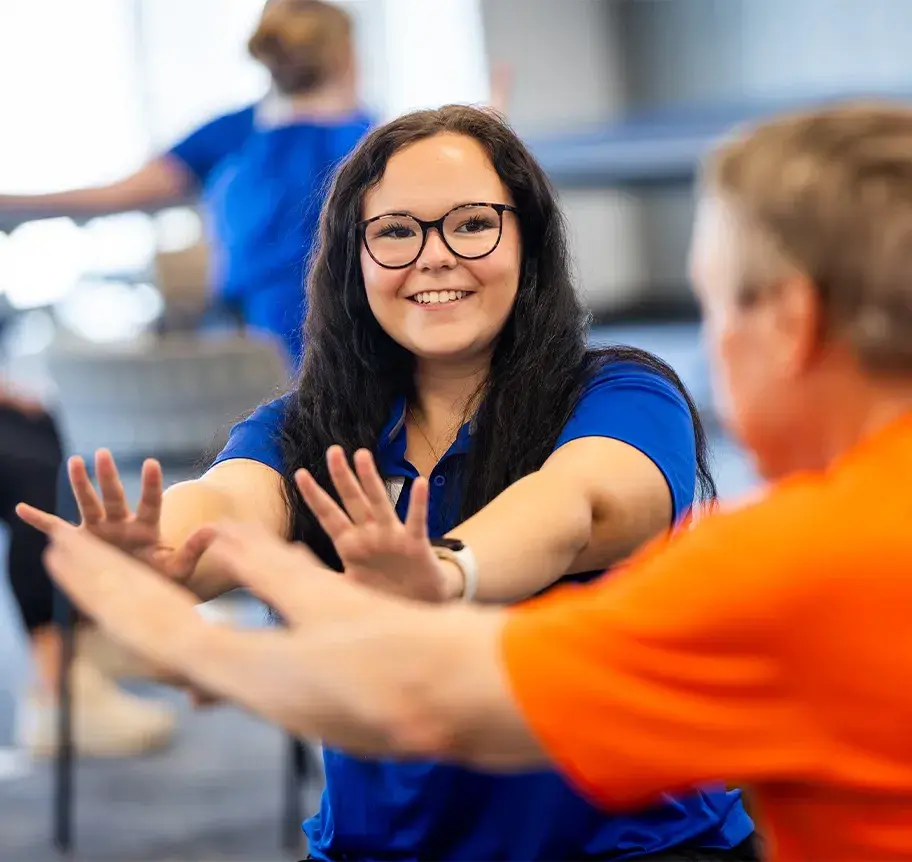
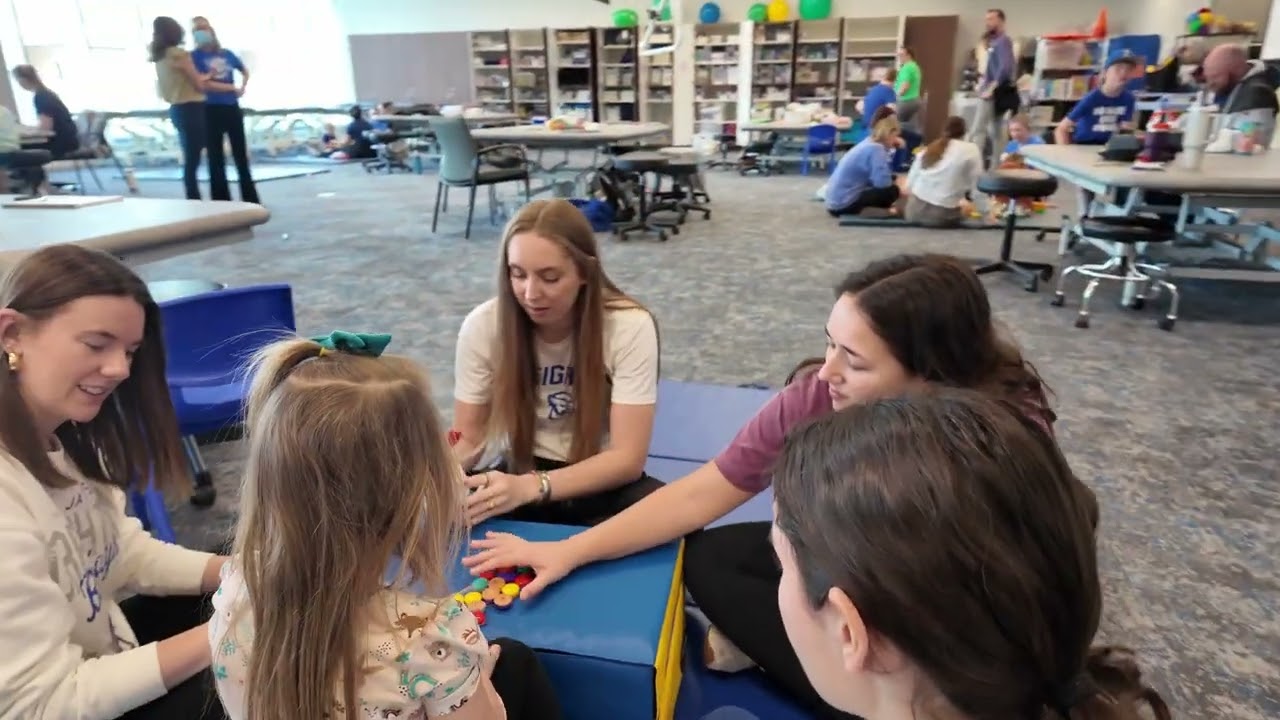
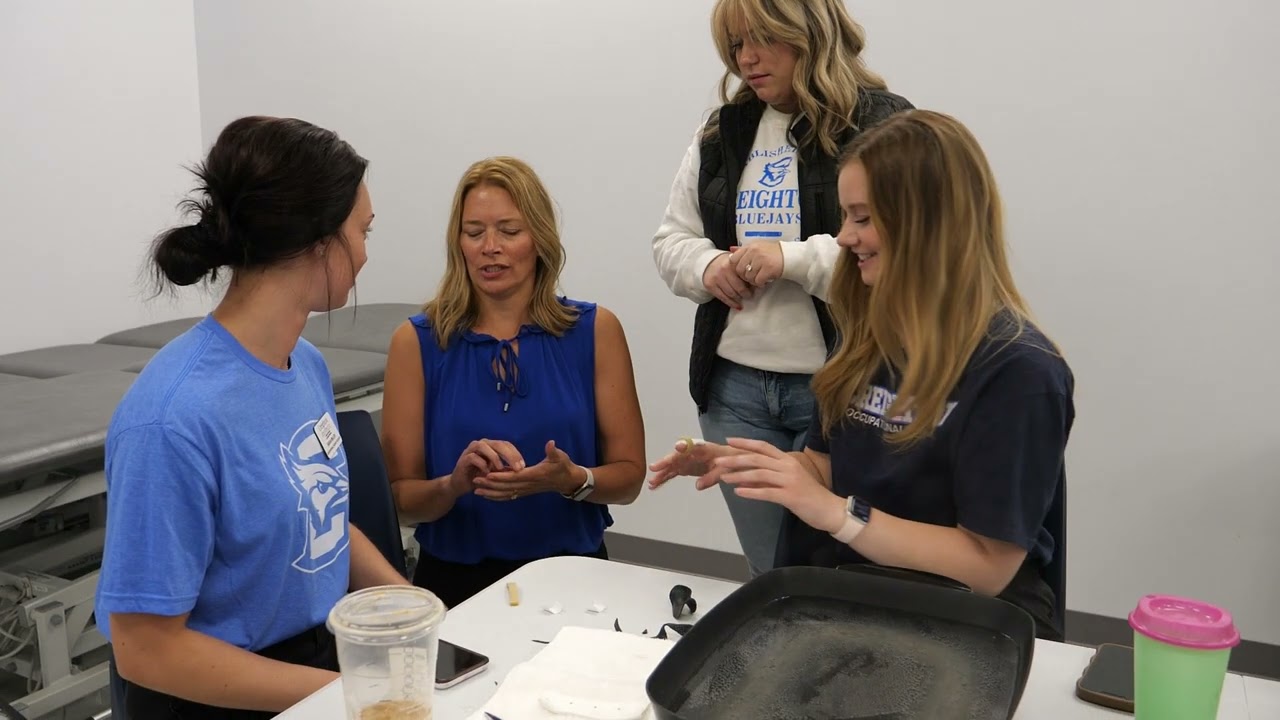
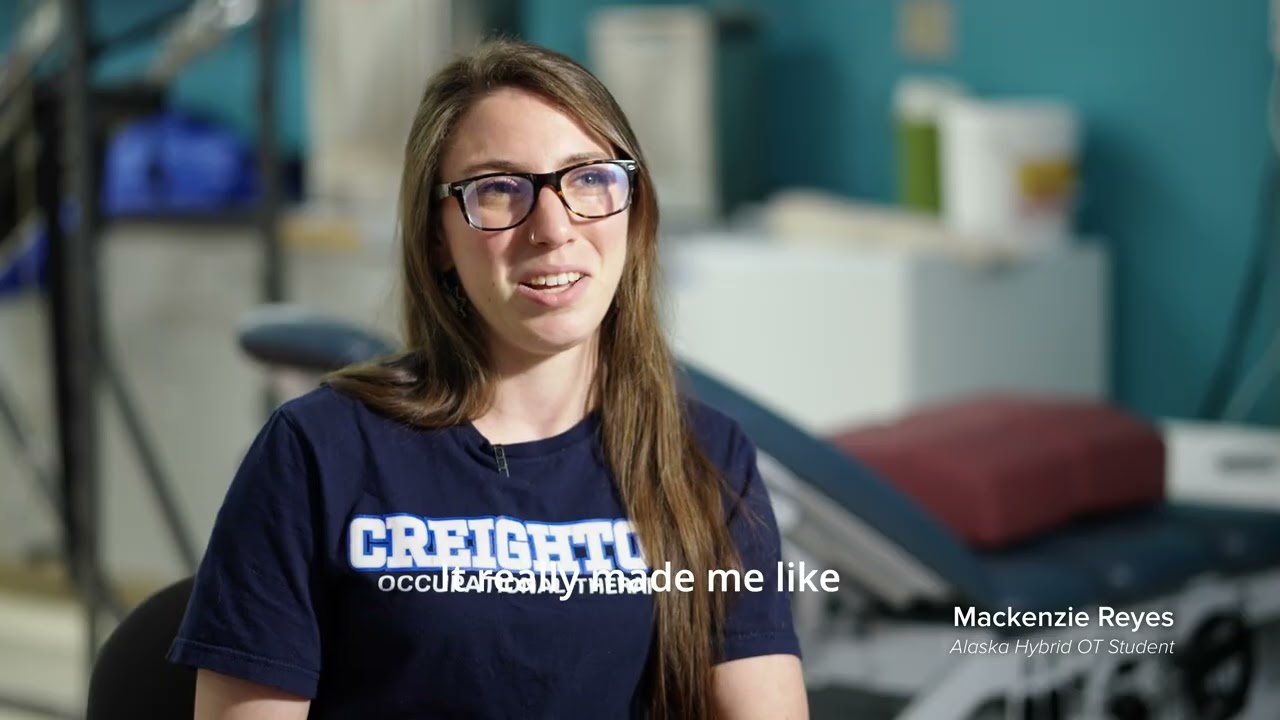
Occupational therapy session
On Campus, Hybrid

Occupational Therapy (Entry-level Doctor of Occupational Therapy)

Enter the OT field ready to make an impact from day one. Creighton’s Doctor of Occupational Therapy (OTD) program combines hands-on learning with team-based training, preparing you to better serve clients. With diverse locations and immersive clinical experiences, you’ll graduate ready to succeed. Choose how and where you want to learn:  

  • Omaha (traditional, on-campus experience)
  • Phoenix, Denver, Anchorage (hybrid, combined online/on-campus experience at respective locations)

No matter your location, Creighton’s OTD program is:

  • Designed for real-world readiness, with hands-on experiences and clinicals across the country—100% of grads are employed or in fellowships within a year of graduation
  • A doctoral-level program that prepares you for long-term career growth
  • Direct entry, so you can begin your path without a bachelor’s or master’s degree
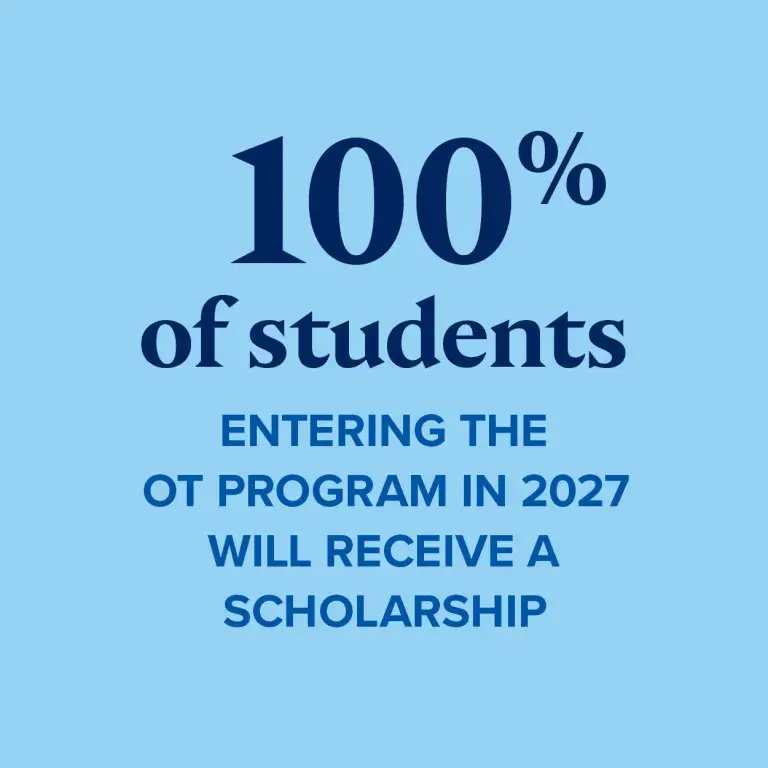
  • Supported by scholarships; 100% of incoming OT students received funding

Each OTD cohort starts in August and graduates in May, just 33 months later. OTD candidates complete eight semesters in total, including two summer terms throughout the three years of the program.  

Build the skills to launch your career and make an impact.

Creighton’s 3-year OTD program is designed to help you successfully move directly from student to practitioner. Through hands-on learning, clinical experiences and team-based training, you’ll develop in-demand skills in evaluation and assessment, evidence-based intervention planning and implementation, and occupation-focused, client-centered care. You’ll also gain experience helping individuals achieve greater independence through daily activities, adaptive equipment and assistive technology.

You'll graduate prepared to deliver effective care and make an immediate impact in practice.

Four locations. One exceptional OTD program.

Creighton’s OTD program delivers one unified curriculum across four locations:

  • Omaha, Nebraska (on campus)
  • Anchorage, Alaska (hybrid)
  • Denver, Colorado (hybrid)
  • Phoenix, Arizona (hybrid)

Every student benefits from the same Jesuit, Catholic mission, academic rigor, clinical expectations and outcomes.

Coursework is universal and built around three core areas: occupation, professional practice and professional identity. These focus areas will help you grow as a clinician and leader in the field.

Throughout the program, you’ll:

  • Explore emerging and specialty areas of occupational therapy
  • Strengthen your leadership skills through dedicated professional development experiences
  • Integrate Creighton’s Jesuit values into your approach to care, decision-making and service

This doctoral-level focus prepares you to take on expanded responsibilities and adapt as healthcare continues to evolve.

Two specialty tracks are available:

  • Research Specialty Track
  • Maternal and Infant Health Specialty Track

Choose a specialty track to deepen your expertise and tailor your education to your professional interests and goals.

Extensive Fieldwork and Real-World Experience

Fieldwork and the Doctoral Capstone are central parts of your experience in all four locations, giving you the opportunity to apply what you learn in real practice settings.

You’ll complete:

  • Level I Fieldwork: Four, 1-week experiences. Each experience has its own focus based on the curriculum. These experiences progress in exposure and responsibility, which prepares students for Level II.
  • Level II Fieldwork: Two, 12-week experiences focused on becoming a competent entry-level practitioner.  
  • A 14-week Doctoral Capstone Experience, where you’ll deepen your expertise in an area of interest. Areas include clinical skills, research skills, administration, program development and evaluation, policy development, advocacy, education and leadership. 

With access to a wide network of clinical partners, you may have opportunities to complete experiences locally, nationally or internationally.  

Admission Requirements

All students should apply through OTCAS, the centralized application service for occupational therapy programs. When you begin your application, you’ll be asked to choose a location. Do not submit multiple applications to different locations. This will not increase your chances of acceptance.  

When you apply:  

  • An official transcript must be submitted to OTCAS from each institution you have attended and/or are currently attending. Official transcripts must be received directly from the issuing institution(s).
    • All fall/winter term and prior transcripts should be directed to OTCAS.
    • All spring/summer term transcripts should be directed to Creighton University’s Enrollment Services.
  • Include three letters of recommendation. We prefer that one letter come from a college professor who can attest to your ability to enter a competitive professional program. If you have been out of school for some time, letters from a work setting can be helpful. Do not submit letters from family members or friends.
  • Observation in an OT setting supervised by a licensed occupational therapist. We do not require a minimum number of hours; however, completing additional shadowing experiences can strengthen an application. Observation hours help inform applicant responses during the application and interview process.

    Applicants will be considered for an interview prior to completion of their observation. Admitted candidates will be required to complete their observation by August 1.

A GRE is not required as part of the application process for Creighton’s OTD.  

Creighton Occupational Therapy is one, unified program with four locations, which means the application requirements, admissions process and prerequisites are the same for students attending the program in Omaha, Phoenix, Anchorage and Denver.

Prerequisites

This is a direct-entry OTD program, which means applicants don’t need to have a bachelor’s or master’s degree to apply. Entrance into the Doctor of Occupational Therapy program does require a minimum of 60 semester hours or 90 quarter hours of prerequisite coursework. That's the equivalent of approximately two full-time years. 

Prerequisite courses may be completed at any regionally accredited institution and must be completed with a grade of C or better (a C- grade is not acceptable). All prerequisite coursework must be completed by August 1 of the desired year of entry.  

You do NOT need to wait until all your prerequisites are complete to apply. Students can apply for the OTD program with outstanding prerequisites. If you are admitted, you will have to finish all prerequisites before August 1 of the desired year of entry.   

For admission into the OTD program at Creighton University, you must meet the following academic requirements:  

  • Theology, Philosophy and/or Ethics (also includes religion or logic): 3 semester hours/4.5 quarter hours
  • Culture, Ideas and/or Civilizations (includes history, world religions, American studies, world literature or women’s studies): 3 semester hours/4.5 quarter hours
  • Human Anatomy (if enrolled in a combined anatomy/physiology course, six semester hours will be required): 3 semester hours/4.5 quarter hours
  • English Composition: 3 semester hours/4.5 quarter hours
  • Statistics: 3 semester hours/4.5 quarter hours
  • Psychology (three of the six hours must include either human development or abnormal psychology): 6 semester hours/9 quarter hours
  • Medical Terminology: 1 semester hour/1.5 quarter hours
  • Electives (Creighton undergraduate students must complete six hours of theology among the elective hours): 38 semester hours/57 quarter hours

The School of Pharmacy and Health Professions will make the final decision regarding courses satisfying requirements.

International Applicants

The School of Pharmacy and Health Professions welcomes applications from international students. International applicants must submit a foreign transcript evaluation to OTCAS through an evaluation service such as World Education Services (WES) or Educational Credential Evaluators (ECE). Due to F1 Visa requirements and processing timeline, we also require that all prerequisite coursework be completed by July 1 of the year of enrollment.

State Licensure Requirements

Programs in physical therapy, occupational therapy and pharmacy within the Creighton University School of Pharmacy and Health Professions meet the appropriate and relevant degree requirements for licensure for all 50 U.S. states, the District of Columbia and Puerto Rico.

Important Deadlines (Applies to all locations.)

July 16: OTCAS Launch Date  
November 1: Preferred Application Deadline  
November 1: Creighton Pre-Professional Scholars Program Deadline
December-January: OTCAS Academic Update (Update summer/fall grades through OTCAS)  
March 1: Final Application Deadline

The Creighton University Doctor of Occupational Therapy program operates on a rolling admission basis, meaning that qualified applicants are invited to interview and offered admission throughout the cycle. Applicants are encouraged to apply early.    

Interviews

Personal interviews are required in the OT admission process. Qualified applicants will be notified via email if they are selected for an interview. Interview registration, if applicable, is available in your application portal.

Applicants can interview virtually or on-campus. Interviews are offered at all locations. Candidates are encouraged to schedule a campus visit if they interview virtually. 

Occupational Therapy Career Paths

A doctoral education sets you apart, and at Creighton, it’s built to move you forward. Our OTD program goes beyond entry-level preparation, equipping you with advanced clinical reasoning, leadership skills and the ability to grow with the profession over time. That foundation leads to strong employment outcomes and gives you the flexibility to pursue a wide range of career paths. Here’s how that preparation shows up in outcomes:

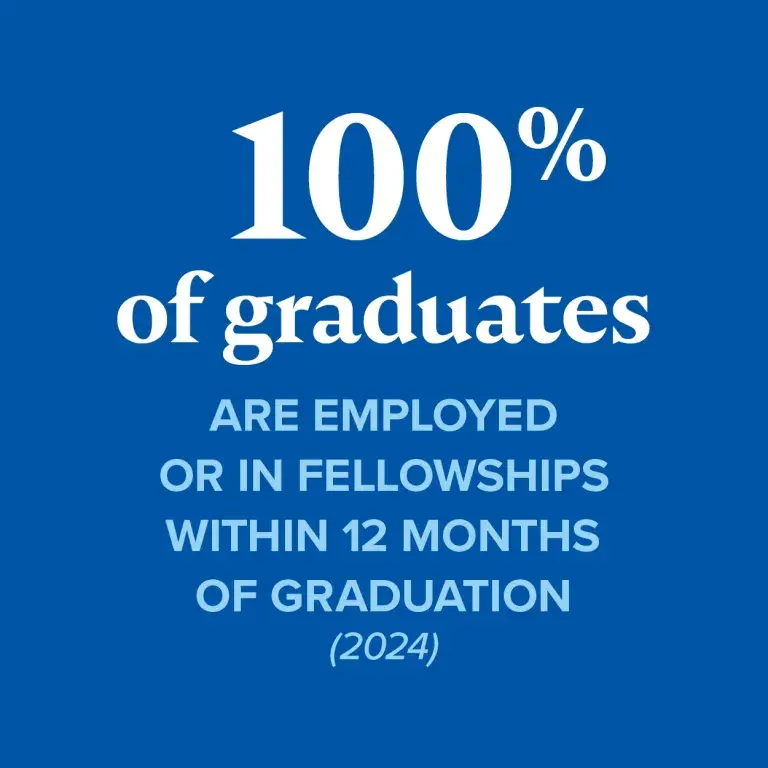
  • 100% of graduates are employed or in fellowships within 12 months of graduation  
  • 97.8% pass rate on the National Board for Certification in Occupational Therapy (NBCOT) over the past 5 years
  • 86% of graduates receive 1-3 job offers, with 9% receiving 4-7 offers
  • $70,000-$90,000 salaries for our graduates, with 78% earning $70,000 or more

Primary employers include hospitals, private practices, schools, skilled nursing facilities or assisted living facilities, and home health and early intervention agencies. Occupational therapists are in high demand nationwide, with strong opportunities across the regions where Creighton students learn and train, from growing urban healthcare systems to high-need rural and community settings.

Graduation Rate

  • 2025 
    Students Entering: 110 
    Non-academic Withdrawal: 1 
    Students Graduating: 104 
    Graduation Rate: 95% 
     
  • 2024 
    Students Entering: 123 
    Non-academic Withdrawal: 8 
    Students Graduating: 109
    Graduation Rate: 95% 
     
  • 2023 
    Students Entering: 115 
    Non-academic Withdrawal: 4 
    Students Graduating:105 
    Graduation Rate: 95% 
     
  • Three-year total 
    Students Entering: 348 
    Non-academic Withdrawal: 13 
    Students Graduating: 318 
    Graduation Rate: 95%

NBCOT Board Pass Rate for Creighton Graduates

For NBCOT licensure pass rates, please visit the NBCOT website
 

On-Campus vs. Hybrid Learning

Creighton’s OTD program offers two learning formats, on-campus and hybrid, so you can choose the experience that fits your goals. No matter which option you choose, you’ll complete the same curriculum, fieldwork and doctoral capstone requirements. You'll also learn from Creighton faculty across all locations, with ongoing support from advisors and mentors.

On-campus (Omaha):  

  • Attend classes and labs on the Omaha campus with daily interaction with faculty and peers
  • Participate in hands-on learning integrated throughout your weekly schedule
  • Access Creighton’s Omaha simulation spaces, standardized patients, campus resources and student life

Hybrid (Phoenix, Denver, Anchorage): Combine the flexibility of lectures delivered online with regular hands-on learning opportunities at your location.

  • Attend lectures online: You can join the livestream or watch on your schedule
  • Complete exams online with an online proctor
  • Complete in-person labs 2–4 days per week at your location—you'll participate in hands-on learning working with peers, standardized patients and community partners.

Hybrid pathways offer flexibility in how you learn. Because labs take place multiple days each week, you’ll need to live in your pathway city to complete the program. 

OTD Program Locations

100% of graduates are employed or in fellowship within 12 months of graduation
100% of students entering the OT program in 2027 will receive a scholarship
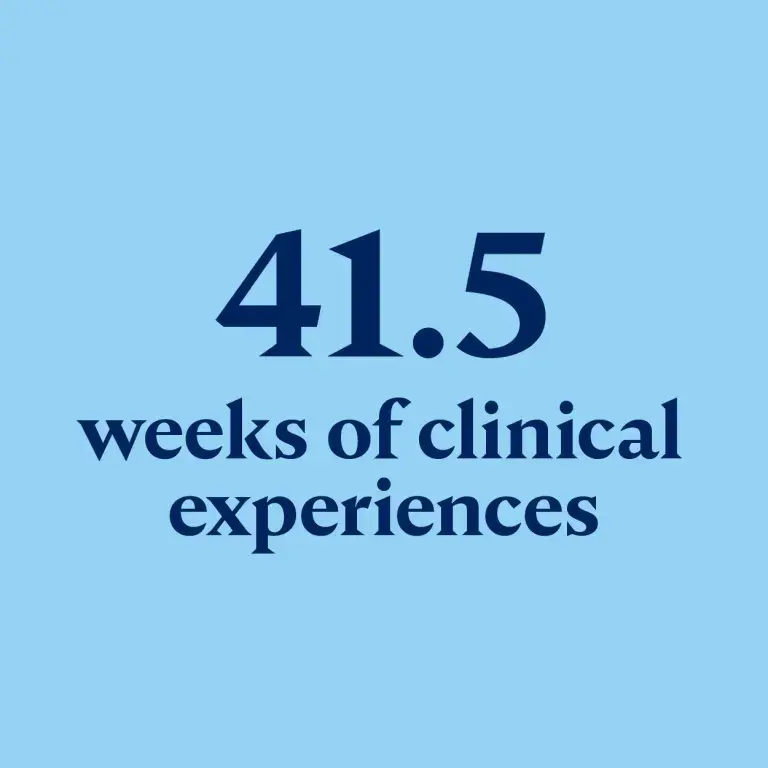
41.5 weeks of clinical experiences

Scholarships for OTD Students

We believe a Creighton education should be accessible to all who seek it, and we support students through every step of their educational journey. That’s why all applicants are considered for scholarships. In fact, 100% of OTD students who entered the program last year received scholarships.

An initial scholarship award can range between $20,000 and $75,000, and scholarships are divided throughout the 3 years of the program. 

How to Apply for Initial Scholarships

Because admitted candidates—whether they take classes in Omaha, Phoenix, Anchorage or Denver—are automatically considered for scholarships, no additional application is needed. The entire application is reviewed, including:

  • Overall grade point average
  • Prerequisite math and science grade point average
  • Quality of admission essays
  • Interview performance
  • Participation in service and leadership

Scholarships are awarded on a rolling basis, so applying early will maximize your consideration.

If you have questions about scholarships or concerns about affording Creighton, contact us.  

Tuition, Cost and Financial Aid

1st Year (9 months)

  • $38,882 Tuition
  • $1,676 University Fee
  • $646 University Tech Fee
  • $220 Lab Fee
  • $370 Program Fee
  • $41,794 Year 1 Total

2nd Year (12 months)

  • $58,323 Tuition
  • $1,676 University Fee
  • $646 University Tech Fee
  • $330 Lab Fee
  • $60,975 Year 2 Total

3rd Year (12 months)

  • $58,323 Tuition
  • $1,676 University Fee
  • $646 University Tech Fee
  • $110 Lab Fee
  • $60,755 Year 3 Total

Total Program Cost (3 Years)

  • $163,524

Tuition and fees are billed by Creighton each semester. Your total cost of attendance includes both direct costs to Creighton (tuition and fees), as well as indirect costs that will likely be incurred outside of Creighton as you pursue your degree, such as personal housing.

Published fees are subject to change.


Fieldwork Schedule

Level I Fieldwork

Students enroll in four Level I fieldwork experiences during their first five semesters. Level I fieldwork covers the lifespan, including hospitals, clinics, school systems and community centers and consists of both didactic and experiential learning opportunities. The Level I fieldwork courses are:  

  • OTD 318 Level IA Fieldwork: Mental Health
  • OTD 390 Level IB Fieldwork
  • OTD 490 Level IC Fieldwork
  • OTD 491 Level ID Fieldwork 

Level II Fieldwork

Two of the eight professional semesters required for the entry-level OTD degree are three-month clinical fieldwork placements at supervised, approved facilities. Eligibility for Level II fieldwork experiences is determined by the student’s mastery of the professional curriculum. A GPA of 2.0 or higher is required for Level II fieldwork placement. The clinical preparation courses are:  

  • OTD 460 Clinical Education Seminar I
  • OTD 461 Clinical Education Seminar II
  • OTD 481 Level II A
  • OTD 571 Level II B

Doctoral Capstone

The Doctoral Capstone Experience is a unique component of the doctoral program. This experience, along with the doctoral capstone project, gives students the opportunity to extend and refine the knowledge acquired in the classroom and use it to critically analyze occupational therapy practice and refine skills in one or more of the given areas of focus:  

  • Clinical skills 
  • Research skills 
  • Administration program development and evaluation 
  • Policy development 
  • Advocacy 
  • Education 
  • Leadership

Opportunities are available both nationally and internationally.   

Specialty Tracks

Specialty tracks allow students to explore focused areas of occupational therapy. Through coursework, mentorship and hands-on experiences, students can tailor part of their education to align with their interests and long-term goals. Graduates who complete a specialty track also earn a special designation on their transcript.

Available Tracks

International Opportunities

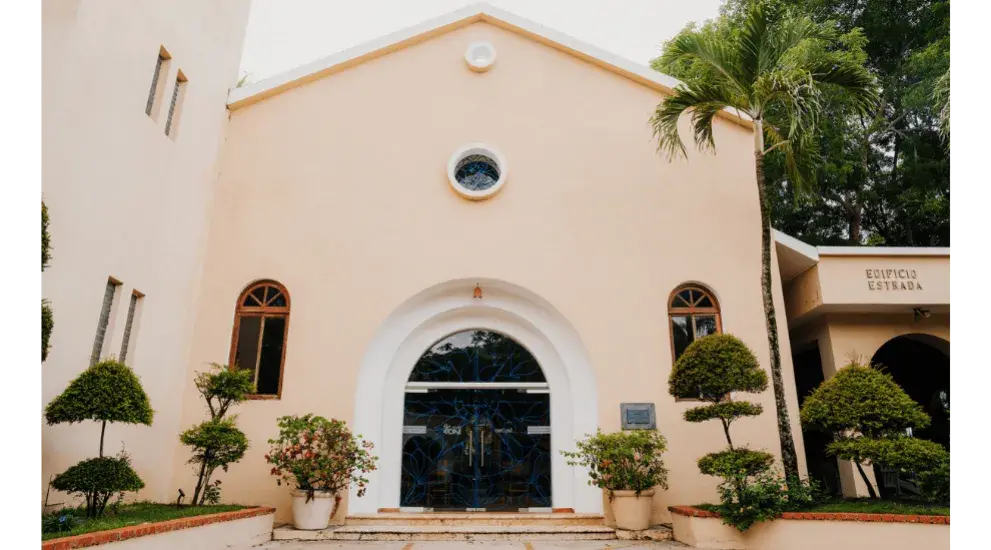
For more than a decade, OTD students have completed clinical experiences around the world, demonstrating the depth of Creighton’s clinical partnerships and the broad range of opportunities available to students. Students have recently trained and served in locations including Australia, Belize, the Dominican Republic, England, Nepal, Togo, Uganda and the Virgin Islands.

Many of these experiences are rooted in Creighton’s Jesuit, Catholic mission and focus on service, cultural understanding and community engagement. Through longstanding partnerships, including opportunities connected to Creighton’s Institute for Latin American Concern (ILAC), students work alongside local communities and healthcare professionals while gaining valuable experience caring for diverse populations.

Each year, more students pursue international experiences as part of their fieldwork and doctoral capstone projects, supported by Creighton faculty and clinical education teams throughout the process.

Image
White ILAC building

Early Entry and Accelerated Options

Earn a bachelor’s degree alongside your OTD.

As you prepare for a career in occupational therapy, you can also earn a Bachelor of Science in Interdisciplinary Health Studies. Explore how this option can enhance your academic credentials and expand future opportunities. This option is exclusive to students who begin as undergraduates at Creighton.

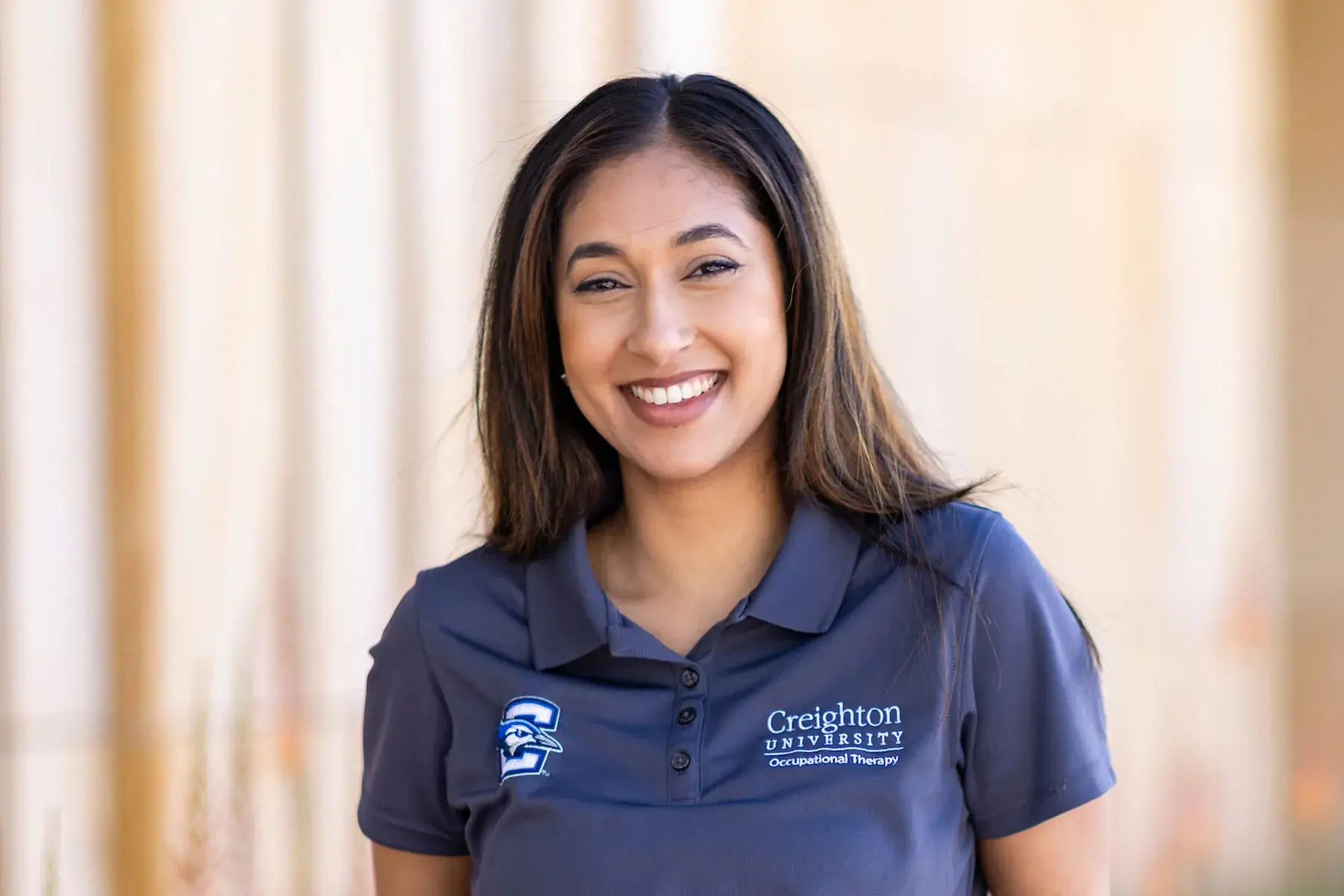
“I appreciate Creighton’s emphasis on service and social justice as part of our education as we are encouraged to engage in reflection and expand our knowledge on important issues as future healthcare professionals.”

Bhavan Chana, BS'21, OTD'24

Frequently Asked Questions

What is an OTD and how is it different from a master’s in occupational therapy?

A Doctor of Occupational Therapy is an advanced clinical doctorate degree. With a focus on leadership and Ignatian values, Creighton prepares you for clinical practice plus leadership and advancement opportunities, leading to career growth. While both a master's and doctorate prepare you for entry-level practice, Creighton's OTD makes you a standout candidate for advancing practice.

How long is Creighton’s occupational therapy program?

Creighton’s OTD program takes 33 months to complete. Each OTD cohort starts in August and graduates in May. OTD candidates complete eight semesters in total, including two summer terms throughout the three years of the program. 

Can I apply to more than one location?

You should only submit one application. We are one program, offered in four locations. When you apply via OTCAS, you’ll be asked to choose your location. If you have a change of heart, there is an opportunity to request a different location later in the process. It is not advantageous to submit multiple applications to Creighton. 

What does “hybrid” mean in the Creighton OTD program?

Hybrid means you’ll complete lectures online while attending in-person labs and hands-on learning 2–4 days per week at your chosen location. Lectures are livestreamed and recorded from the Omaha campus. You can watch in real time or on your own schedule. Hybrid pathways are offered in Phoenix, Anchorage and Denver.

Do I need to live in Phoenix, Anchorage or Denver for the hybrid OTD pathways?

Yes. Because in-person labs are held multiple days each week, students in hybrid pathways must live in or near their assigned location (Phoenix, Denver or Anchorage) to complete the program.

Will students in all pathways interact with faculty during the online lectures?

The livestreams are primarily one directional, but all students can connect with faculty through follow-up conversations, faculty advising and mentorship.

What kind of clinical experience will I get in the OTD program?

You’ll complete 41.5 weeks of clinical education across a network of sites nationwide and internationally. These experiences provide real-world exposure in diverse settings and help you build the confidence to succeed in your first position.

Can I choose where I complete my fieldwork?

Students actively participate in this process. You'll work with Creighton's clinical education team for individualized clinical plan advising and practice setting identification. Final placements are coordinated by faculty to ensure high-quality learning experiences that are aligned with your educational goals.

Accreditation

Image
ACOTE logo

The entry-level program in occupational therapy is accredited by the Accreditation Council for Occupational Therapy Education (ACOTE) of the American Occupational Therapy Association, Inc. (AOTA) located at:

Image
AOTA logo

7501 Wisconsin Avenue, Suite 510E
Bethesda, MD 20814
Email: accred@aota.org
Phone: 301.652.2682
301.652.6611
www.acoteonline.org

The Creighton entry-level program is accredited until the 2030-2031 academic year. The next accreditation site visit is scheduled for 2030-2031.

Professional Licensure Requirements

Professional licensure requirements are determined solely by each state and may change without notice to Creighton. While our information is updated annually, Creighton cannot guarantee continuous accuracy. Current and prospective students can find program-specific PDFs on our Academic Regulations page or consult the appropriate licensing agency in the state where they plan to practice to confirm updated requirements for their program.

Creighton also cannot guarantee that any student will attain state-established licensure or certification in any field or jurisdiction.  

Image
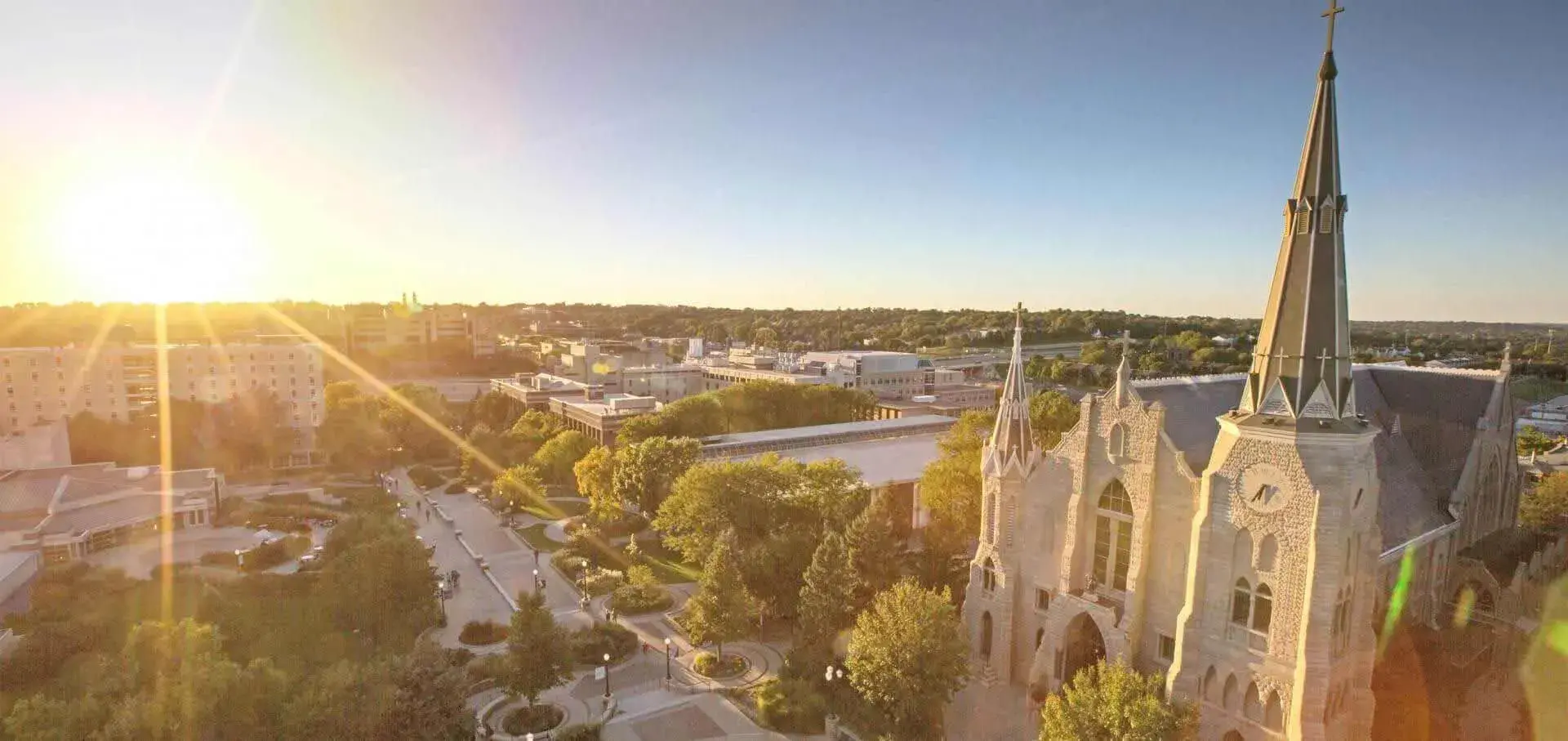
Drone shot of campus
Close SidebarClose Sidebar