Simulation in Omaha
Where Clinical Learning Comes to Life
The Simulation Center in the CL and Rachel Werner Center for Health Sciences Education on our Omaha campus offers advanced simulation spaces and technologies that help health sciences students build clinical skills, confidence and teamwork before working with patients. Through realistic practice environments, specialized equipment and interprofessional learning opportunities, students can apply classroom knowledge, strengthen decision-making and prepare to provide real-world care.
Those interested in renting simulation spaces can email simulation@creighton.edu.
Omaha Campus
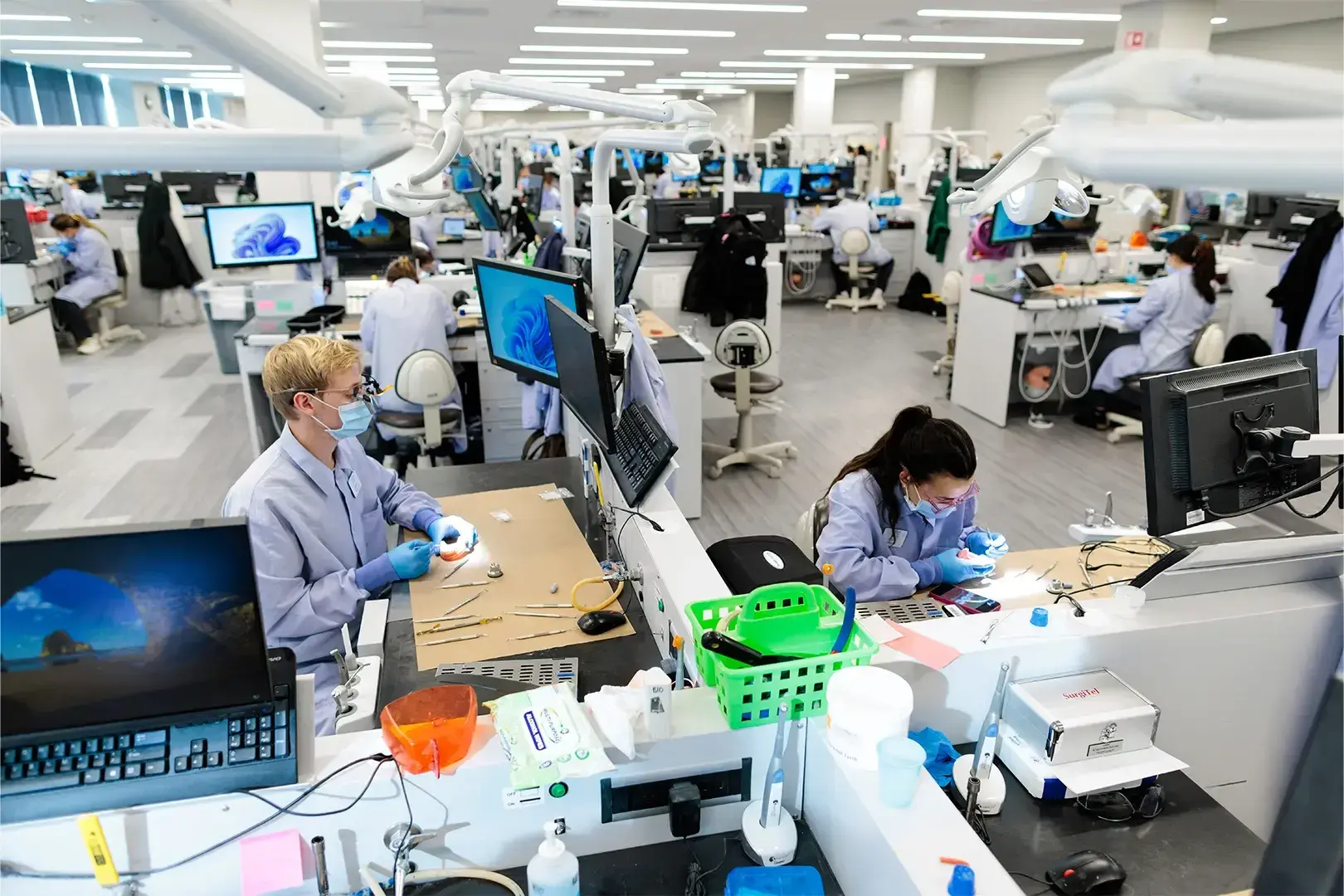
More than 40,000 square feet of dedicated interprofessional simulation space is located across five floors of the CL and Rachel Werner Health Sciences Center on our Omaha campus. Elsewhere, the School of Dentistry offers 2,900 square feet of simulation space with multiple simulation stations. Each is equipped with model patients and multiple scenarios to facilitate simulated care.
The Werner Center simulation facilities include:
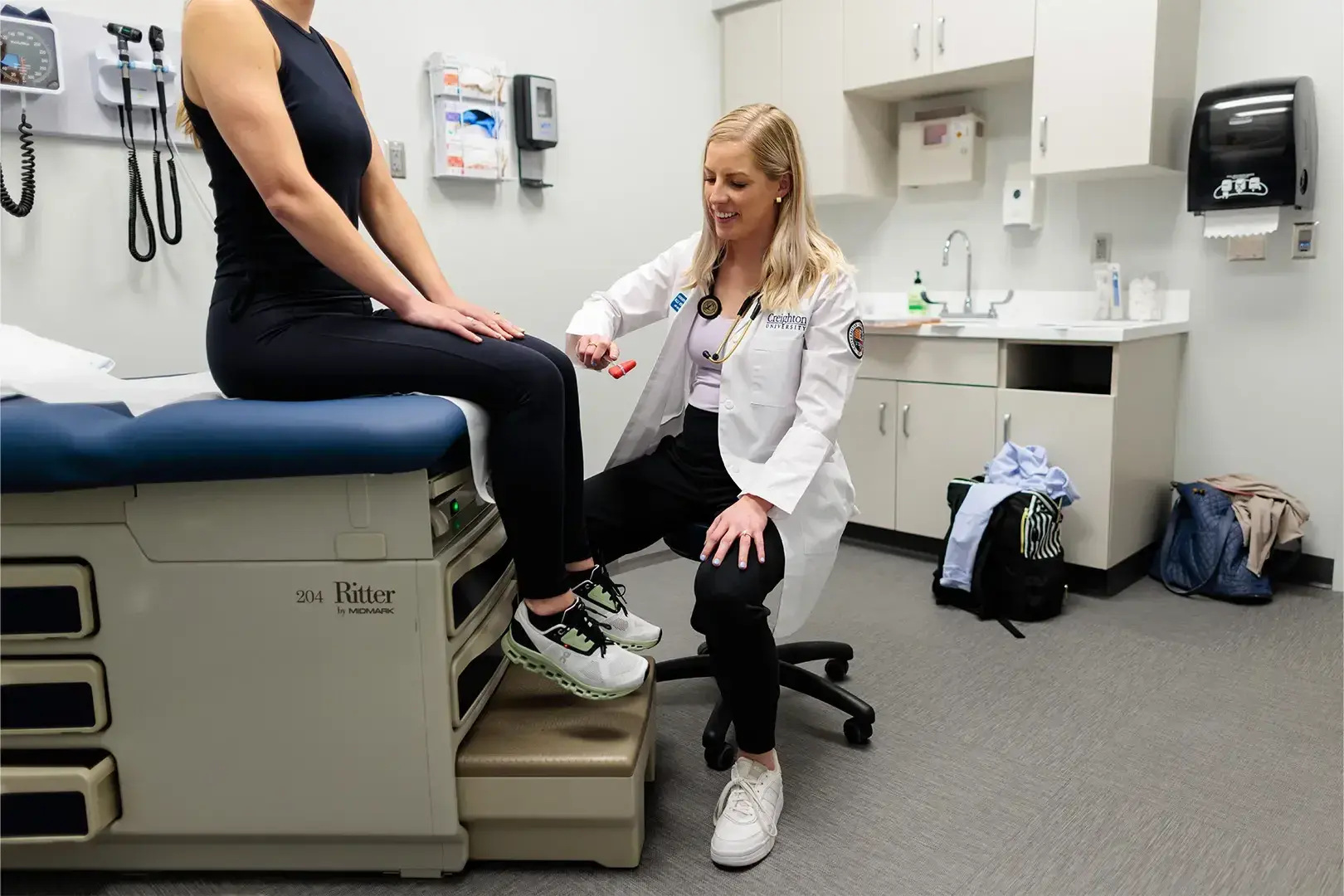
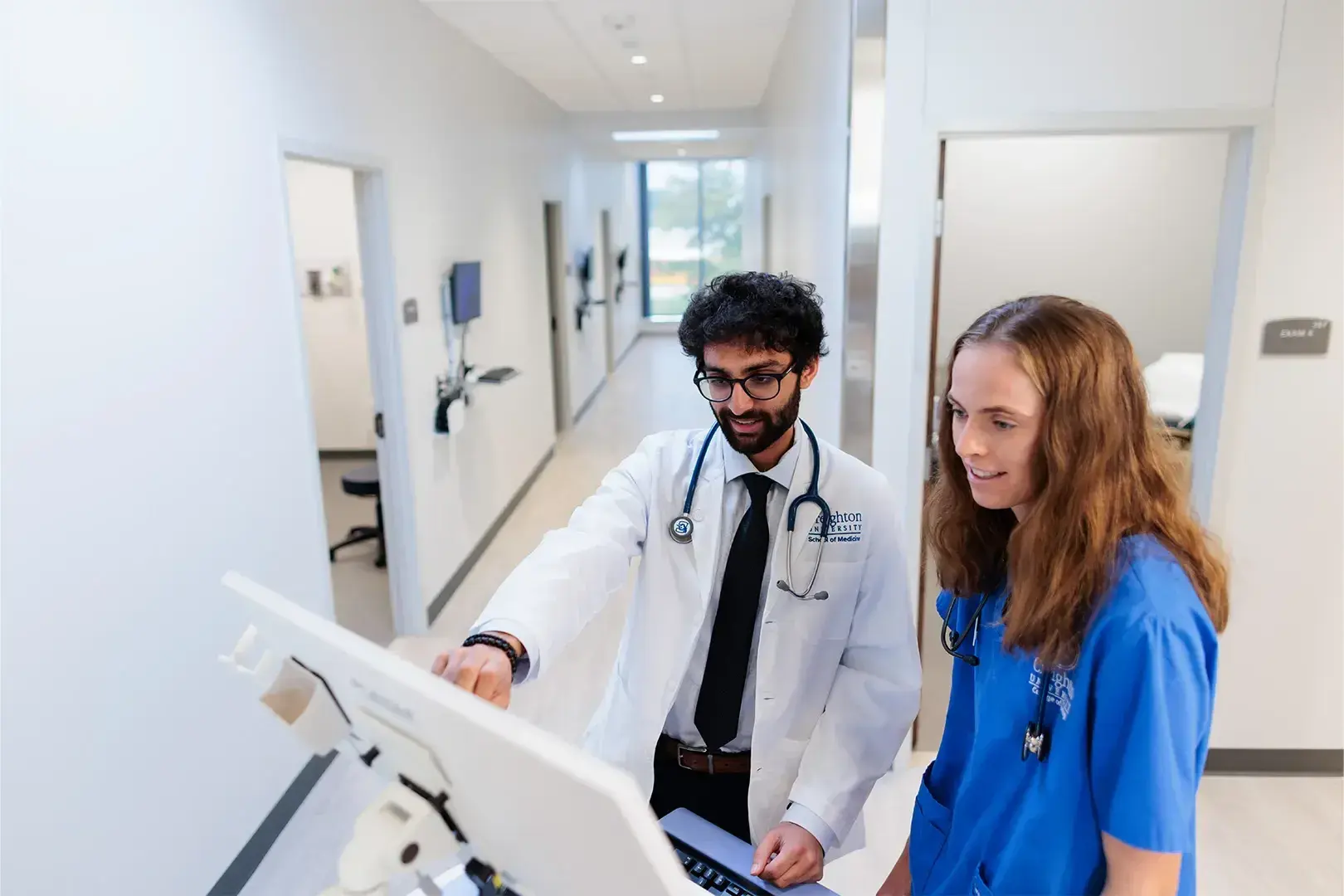
- 15 clinical exam rooms
- 10 single-patient hospital rooms
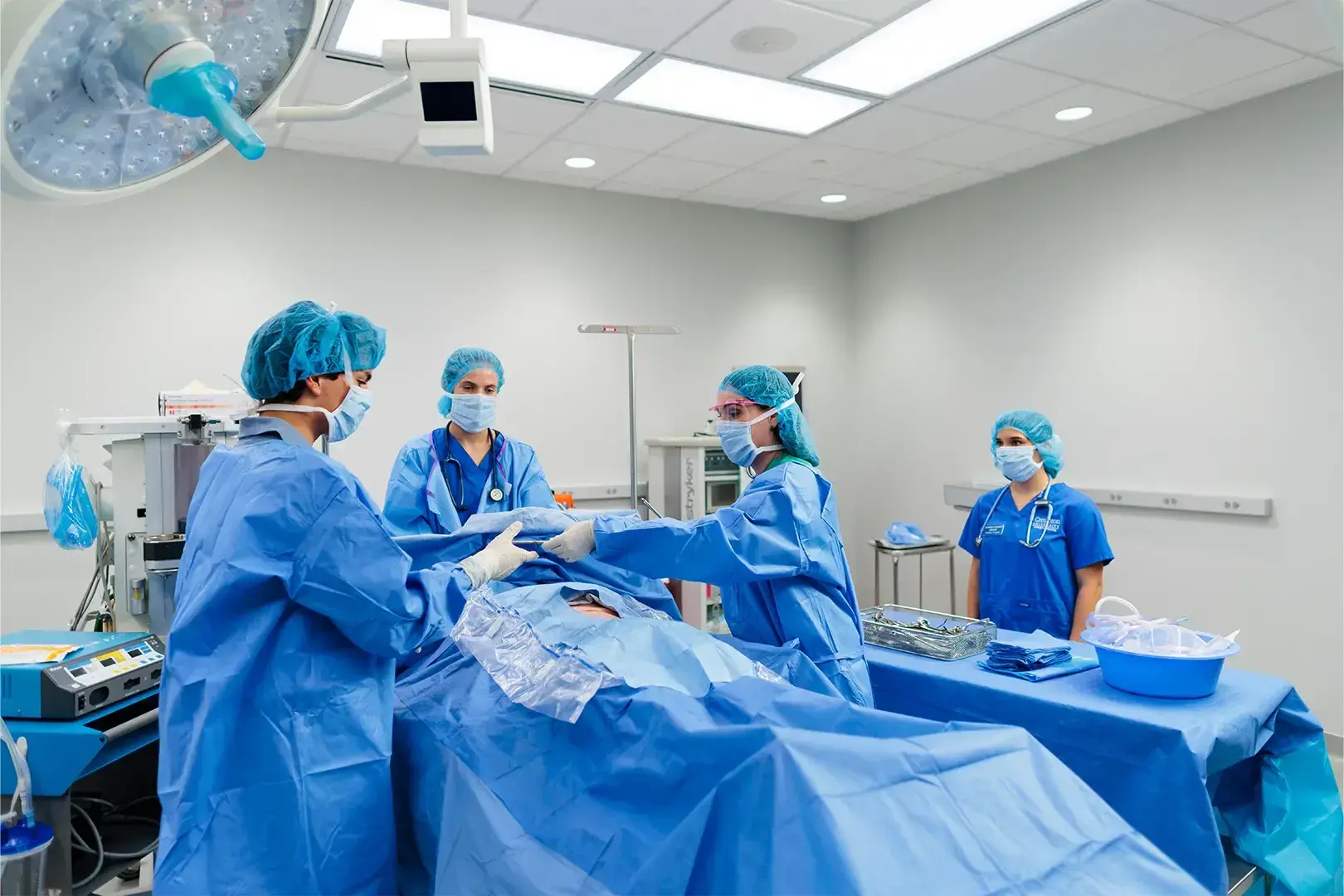
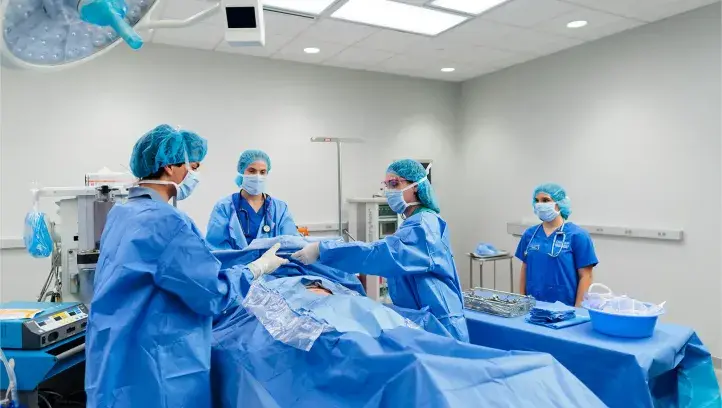
- An operating room
- A multipurpose task training lab
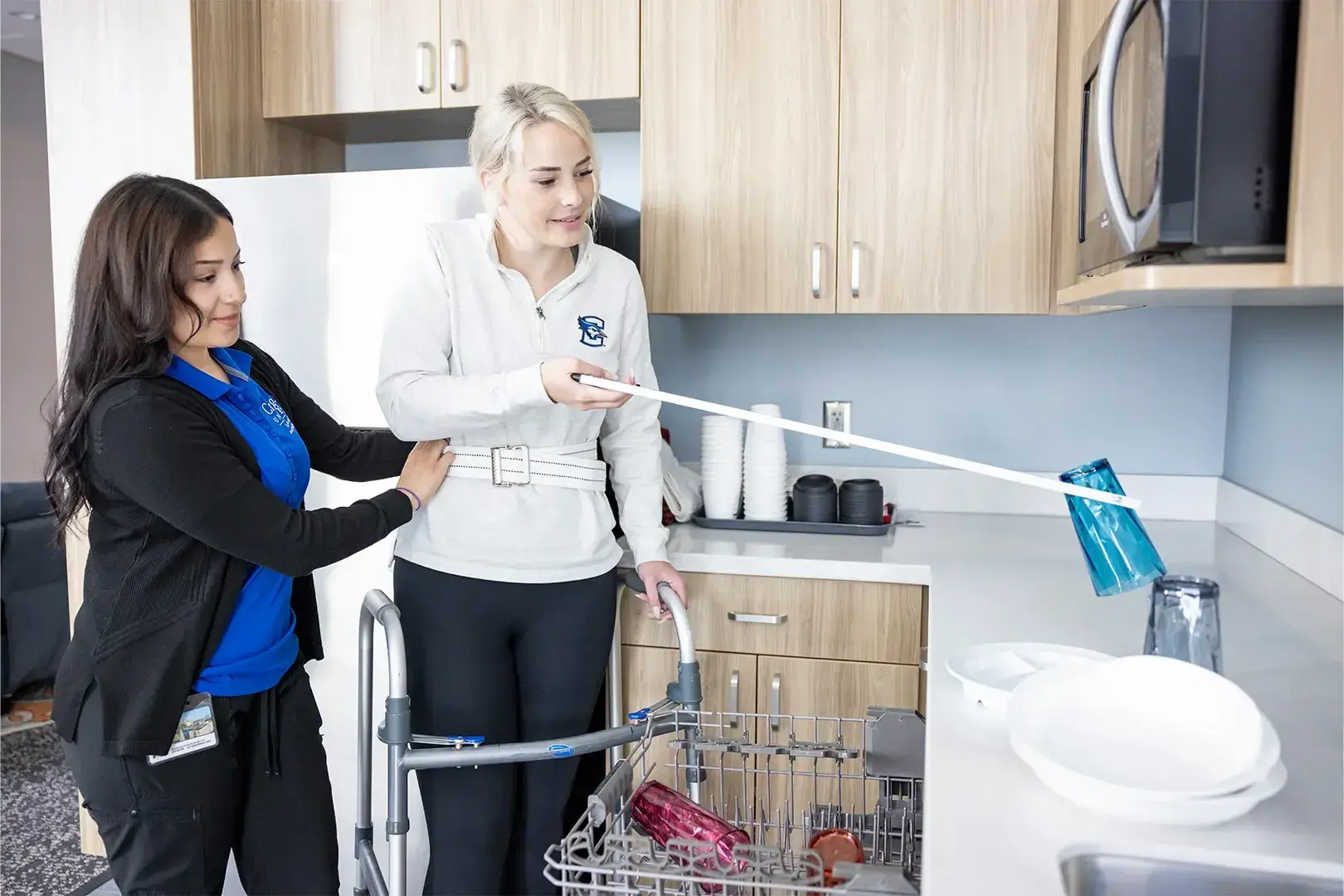
- A simulated apartment for home healthcare
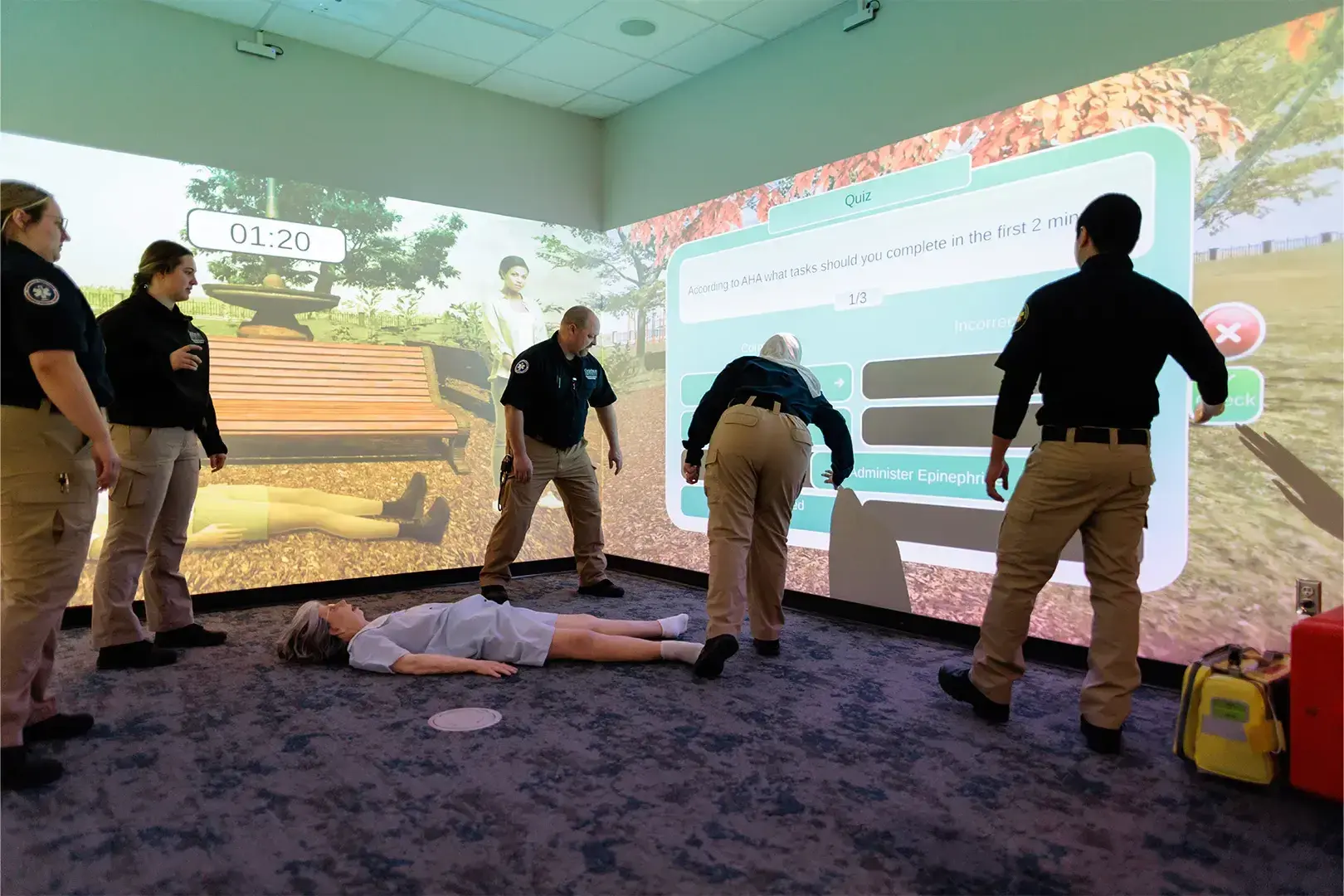
- An interactive virtual reality space
- An acute care lab with nine hospital beds
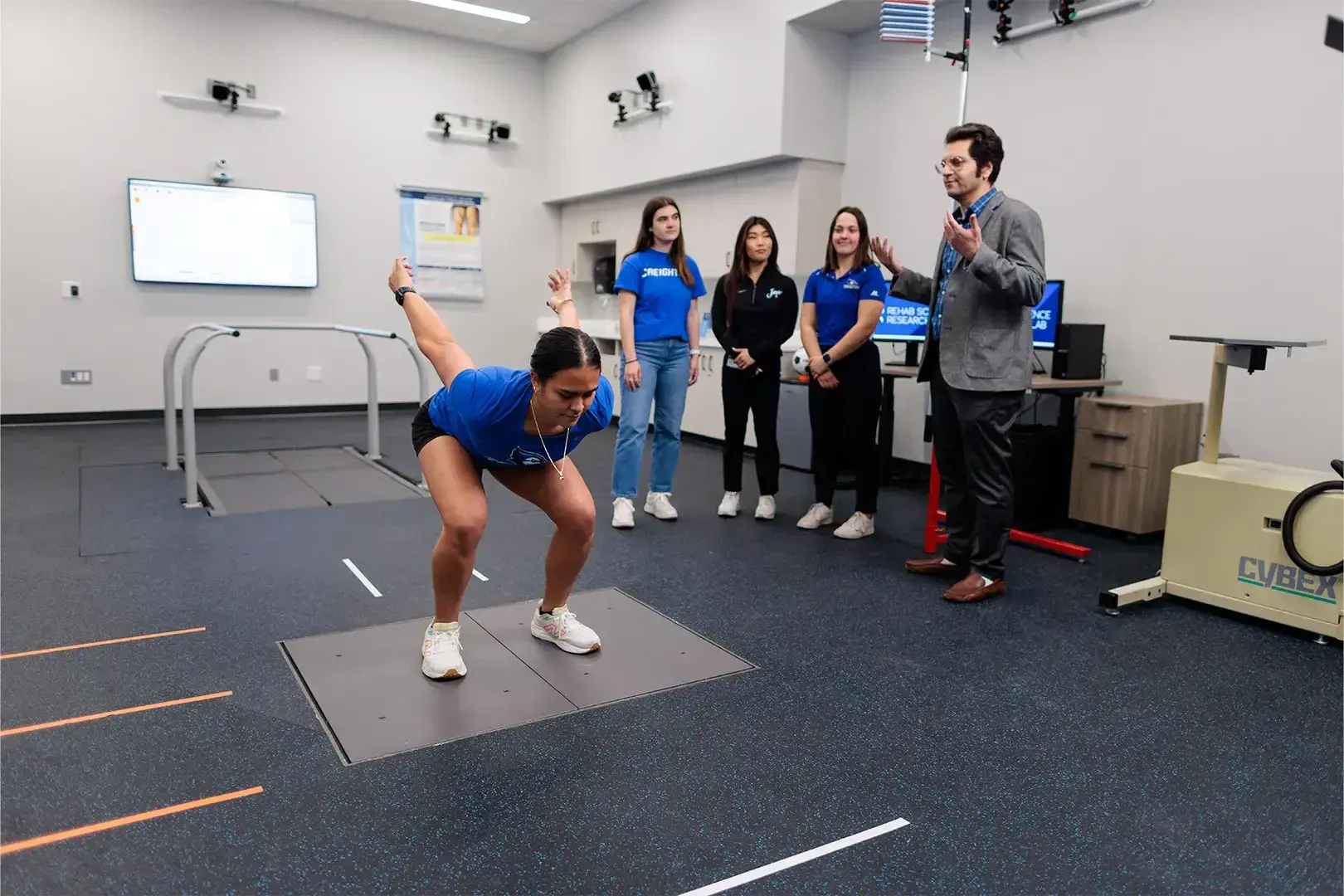
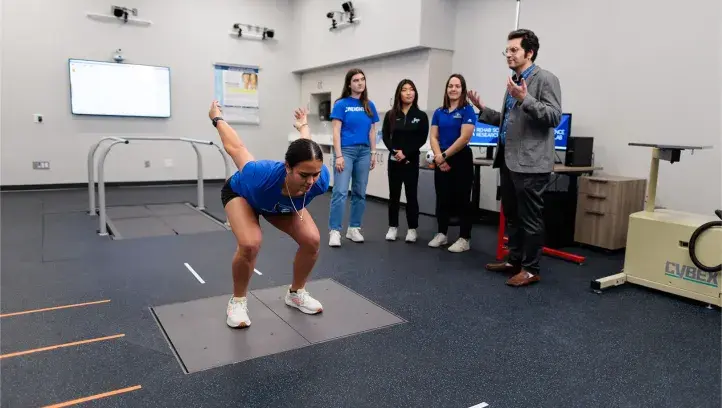
- Two rehabilitation labs
Simulation Technology at the Omaha Campus
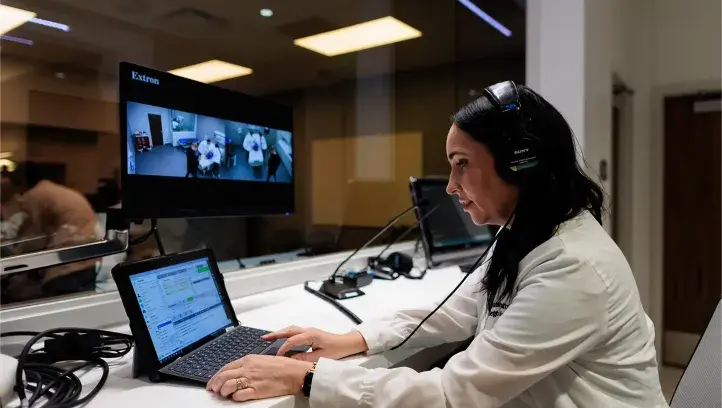
The Omaha Simulation Center gives learners access to a broad range of technologies designed to recreate the equipment, procedures and patient encounters they will experience in clinical practice. Resources include:
- Advanced patient simulators
- Ultrasound systems
- Procedural trainers
- Simulated patient-monitoring technology
- Medication-delivery equipment
High-fidelity patient simulators allow students to work through complex scenarios involving patients across the lifespan, from premature infants and newborns to children and adults. Specialized simulators also support training in maternal care, trauma, critical care, and nursing and cardiopulmonary assessment
Students can also develop procedural skills using task trainers and ultrasound simulation for:
- Airway management
- Vascular access
- Joint injections
- Lumbar punctures
- Chest procedures
- Other interventions
Surgical and diagnostic technologies extend that practice to areas such as laparoscopy, endoscopy, eye and ear examinations, auscultation and point-of-care ultrasound.
The center further strengthens realism with clinical equipment found in healthcare environments, including patient monitors, infusion pumps, defibrillators, ventilators, anesthesia equipment and a simulated operating room. Together, these resources allow learners to move from practicing individual skills to managing realistic patient-care scenarios while strengthening clinical judgment, communication and teamwork.
For questions about specific equipment, please email simulation@creighton.edu.
Simulation Center Staff

Kellen Abe
- Simulation Technologist
- View Profile
Sara Hallgren
- Simulation Technologist
- View Profile
AnnaRose Hines
- Standardized Patient Coordinator
- View Profile
Alex MacDonald
- Simulation Technologist
- View Profile
Nick Orsi
- Simulation Operations Manager
- View Profile