Want to age well? Start with the things you love to do.

September is Healthy Aging Month, a time to focus on the habits and choices that can help people stay healthy and engaged as they age.
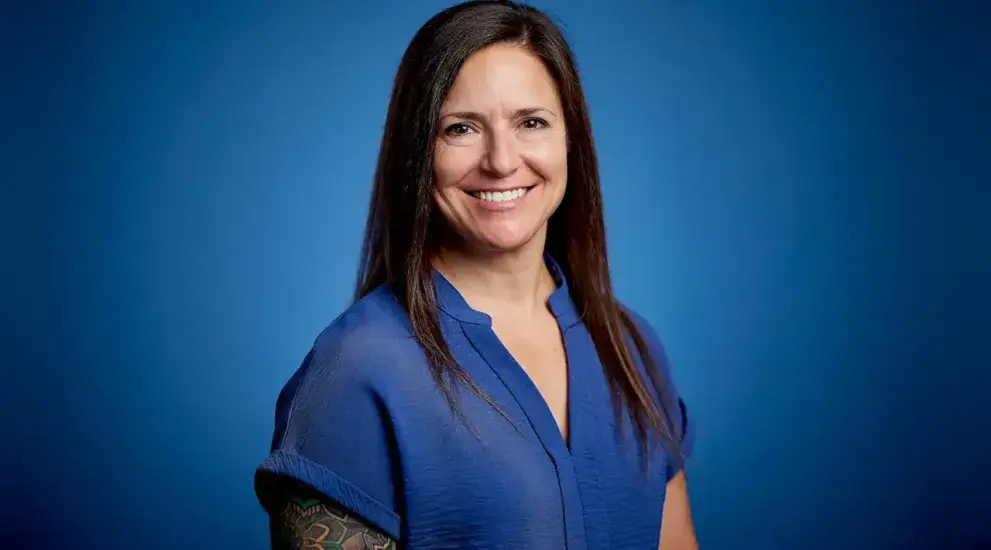
Andrea Fleischman, OTD, says that healthy aging about maintaining physical skills, cognitive abilities and social connections that allow you to keep doing the activities that bring meaning to your life.
Fleischman, a Doctor of Occupational Therapy and teaching assistant professor at Creighton University Health Sciences Campus – Phoenix, says one of the best ways to approach healthy aging is to start with something people already care about, like gardening or spending time with others, and work backward from there.
Why do hobbies matter as we age?
Everyday activities and hobbies can play an important role in healthy aging because they keep people engaged in their routines and the activities they enjoy.
"One thing you can do to help your loved ones, friends or family age well is to make sure that they find something meaningful to them,” says Fleischman. “That gives them more motivation to want to be able to do it and do it longer.”
Fleischman adds that identifying the skills, strength, endurance and balance needed for a meaningful hobby, and working toward those goals, can help people keep doing the things they enjoy.
What are some simple ways to support healthy aging?
Fleischman points to several basics: eating well, getting enough sleep and moving throughout the day.
Sleep is especially important for maintaining energy and being able to participate in daily activities. Movement matters, too, particularly because many people spend much of their day sitting.
“If you can move as much as you can during the day, it’s a huge positive influence on your aging,” Fleischman says.
How can you stay active as you age?
Healthy aging also means keeping your mind and social life active. Fleischman recommends challenging yourself by learning something new and making time for social participation.
“Make sure you have some sort of social participation that helps with your mental and emotional health,” Fleischman says. “Make sure you’re engaging in some novel activity that challenges your cognitive skills.”
Physical activities can support this, too. Strength, balance and endurance training can help maintain the abilities needed for everyday activities. And activities can support all areas at once. A walk with a friend, a new exercise class or a hobby in a community setting can combine physical, cognitive and social engagement.
What's the takeaway on healthy aging?
Healthy aging doesn’t have to mean making major changes all at once. Small choices can help you maintain the abilities needed to live the life you want. Fleischman recommends:
- Take care of your body by eating well and getting enough sleep
- Keep moving to maintain strength, endurance and balance
- Keep your mind active by learning something new
- Stay connected through social and community activities
- Make time for what matters to you, whether that’s a hobby, sport or another activity you enjoy
This Healthy Aging Month, Fleischman encourages people to think about the activities that bring them joy and make sure they’re taking care of themselves in ways that allow them to keep doing those things.
“Engage in your hobbies and things that you love, because that will keep you happy,” she says.
As an occupational therapist, Fleischman works at the intersection of emotional, cognitive and physical well-being. Learn more about the work occupational therapists do and how they help people participate in the activities that matter to them.