Why midterm elections matter: a political scientist explains
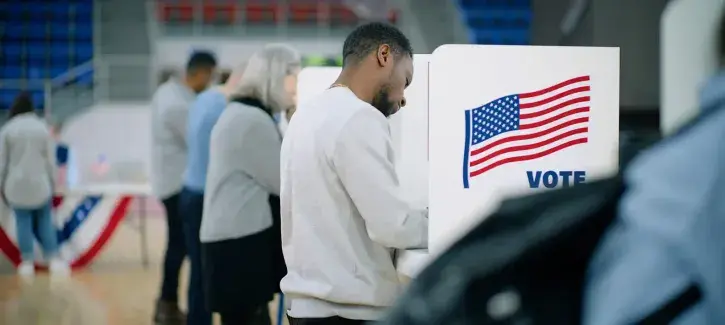
Every four years, Americans turn out in large numbers to vote for president. But halfway through each presidential term, voters return to the polls for midterms, which are a critical part of the democratic process that can reshape the balance of power in government.
While presidential elections determine who occupies the White House, midterm elections determine who represents voters in Congress and, and in many places, state and local offices. These elections help decide which issues receive attention, how policies move forward and the direction of government during the second half of a president’s term.
Understanding why midterms happen and why they matter starts with the structure of government established by the U.S. Constitution.
Why Midterms Matter Video: Richard Witmer, PhD

Why do midterm elections happen?
The U.S. Constitution requires members of the House of Representatives to stand for election every two years, giving voters a regular opportunity to weigh in on the nation's priorities and hold elected officials accountable. Because House members face voters more frequently than any other federal elected officials, the structure was designed to keep representatives closely connected to the communities they serve.
Midterm elections are one way that connection is maintained.
"Midterm elections are set up that way in the Constitution for a reason, to keep representatives close to the people," says Creighton political science professor Richard Witmer, PhD.
How do midterm elections affect everyday life?
Midterm elections can have a significant impact on people's everyday lives.
"Your vote matters for what's happening day to day,” Witmer says. "If you're sending your kids to school or you're worried about your roads, most of those local elections are held in midterms.”
For students, the stakes are especially meaningful. Officials elected during midterms help shape policies affecting higher education, research funding, student loans and other issues that directly impact college students and their communities.
Why does your vote matter in a midterm election?
Midterm elections typically have lower voter turnout than presidential elections. Presidential elections draw about 60% of eligible voters, while midterm turnout has historically been closer to 45%. That means an individual vote carries even more weight.
By casting a ballot for Congress, a school board or another local office, you're helping shape the policies that affect your community.
How can you prepare before Election Day?
Before heading to the polls, Witmer encourages voters to research candidates and ballot issues through official voter guides and election offices. Arriving informed makes the voting process easier and helps voters feel prepared for what they will see on the ballot.
"Your midterm vote is important because the people you elect will be making policies that affect you at every level of government," Witmer says.