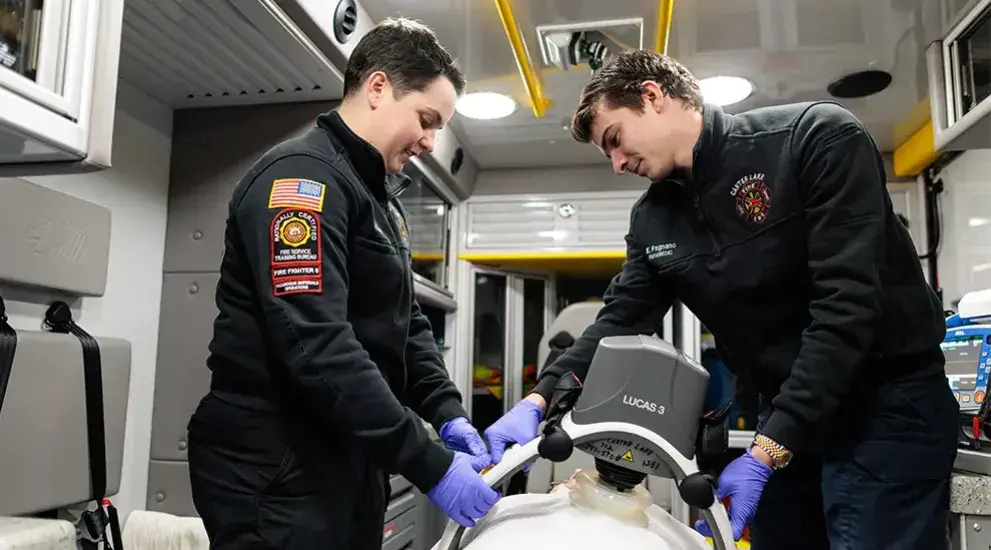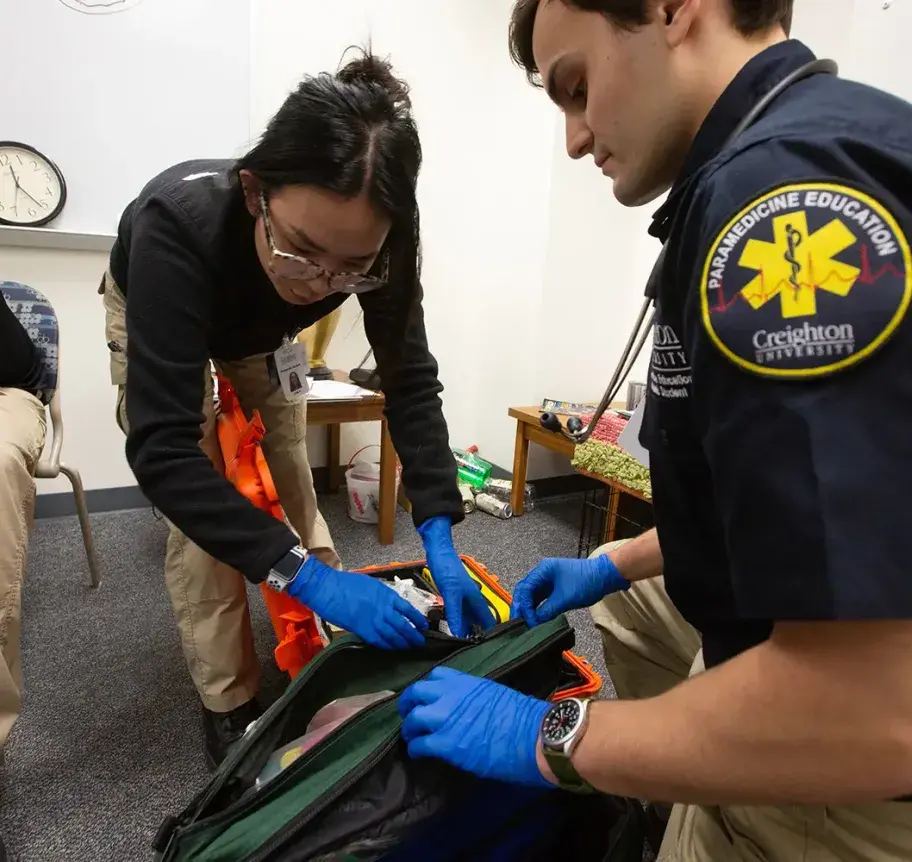
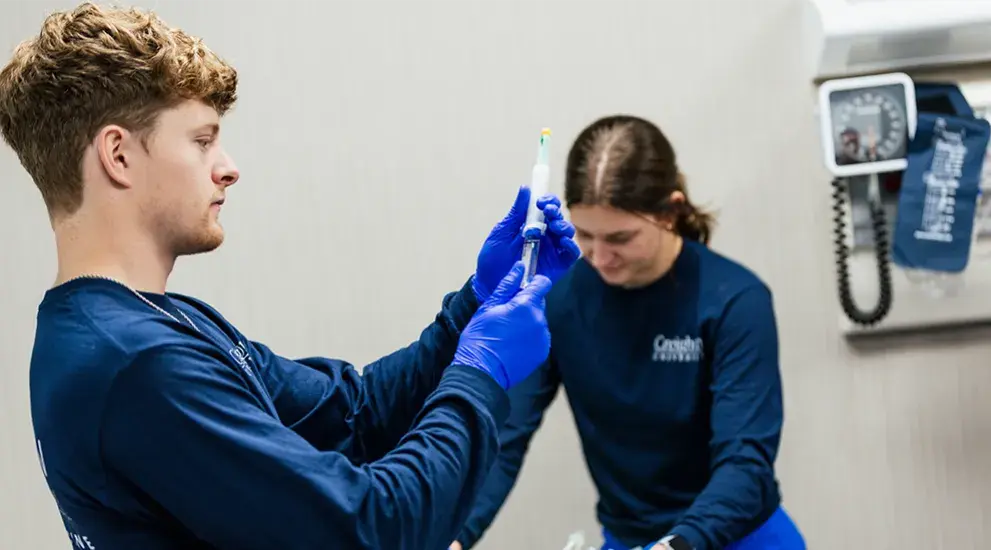
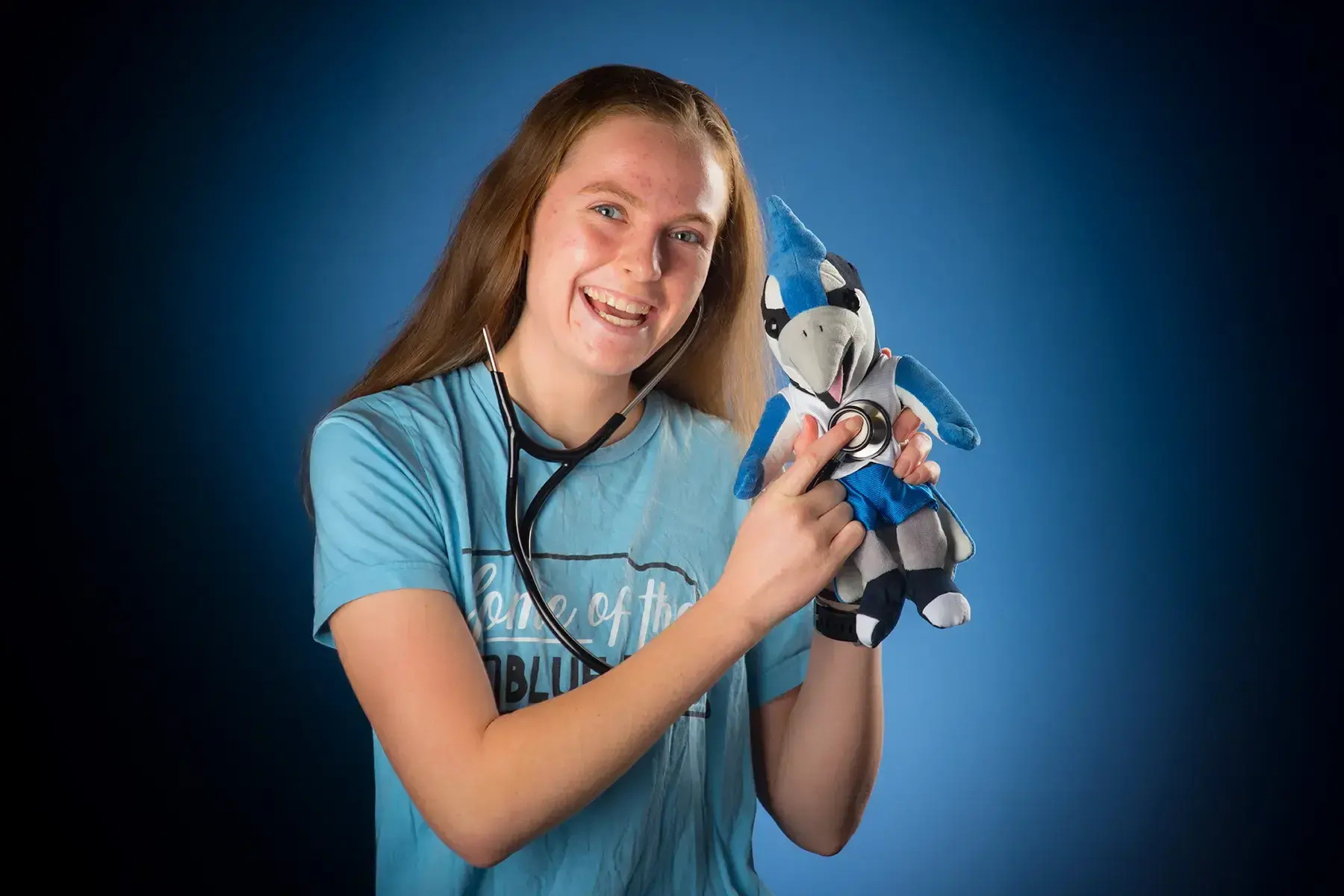
Paramedic students training on medical equipment
On Campus

Paramedicine Bachelor of Science

Are you ready to turn your desire to serve into a career that saves lives — and leads with purpose? At Creighton University, our Bachelor of Science in Paramedicine combines intense hands-on training with academic rigor, preparing you to respond with skill, compassion and leadership in critical moments. As one of the first professional EMS bachelor’s programs in the nation, we offer immersive clinical experiences alongside local fire departments, ambulance services and hospital units — giving you real-world exposure from day one. Our program prepares you to step into the field with:

  • Solid clinical knowledge: The why behind patient assessment and decisions
  • Proven hands-on skills: From airway management to life-support procedures
  • Professional judgment and behaviors: Clear communication, teamwork, ethics and calm under pressure

Paramedicine Bachelor of Science Program Details

Creighton University’s Bachelor of Science in Paramedicine program helps students develop their critical thinking and decision-making skills, while also providing instruction about direct patient care and EMS tools, techniques and current advancements. Along with learning in the classroom, you’ll participate in clinical immersion and direct patient care by working with local fire departments, ambulance services and clinical units within area hospitals. 

All the EMS courses we offer include curricula based on the current United States Department of Transportation, National Highway Traffic Safety Administration, National EMS Education Standards and Guidelines.

As a paramedicine major, you'll explore:

  • Clinical science foundations: Anatomy, physiology, chemistry, microbiology, nutrition, and lifespan development to understand how illness and injury affect the body
  • Paramedicine core skills: Advanced patient assessment, airway management, cardiology (including ECG), pharmacology, trauma care, medical emergencies, and care for special populations
  • Hands-on practice: Progressive labs, simulation, and clinical practicums that build confidence and competence, culminating in a capstone and transition-to-practice experience.
  • Communication, leadership and professionalism: Written/oral communication, ethics, cultural humility, teamwork, operations and special operations for high-reliability care
  • Evidence-based decision making: Statistical reasoning and research literacy to evaluate evidence and improve prehospital care.
  • Certification readiness and pathways: Eligibility to test for NREMT EMT (after fundamentals) and Paramedic (after the major), with elective options in education, systems management and critical care

Those with prior paramedic education should explore our online degree completion pathway.

Applying to the Paramedicine Program

Admissions to the program are based upon:

  • High school GPA
  • ACT or SAT scores*
  • Extracurricular activities
  • A personal statement to demonstrate creative abilities not reflected in transcripts
  • A recommendation from the applicant’s high school counselor

Additionally, honors sections and advanced placement courses will enhance a candidate’s application

* For students who are choosing to apply test-optional, ACT/SAT exam scores are not required at the time of application for admission.

Admission Dates to Know

Applications for the fall semester open on August 1 of the prior year. For scholarship consideration, we recommend completing your undergraduate application as early as possible. You can also view up-to-date deadlines on our admissions page.

Career Fields for Those Who Choose a Paramedicine Major

While EMTs and paramedics have been—and will continue to be—the backbone of our nation’s 911 rescue system, there are many exciting new opportunities for career growth in the paramedicine field. Recognized experts are needed across the nation, especially in the following areas:

  • Paramedicine service providers
  • Paramedicine education
  • Emergency preparedness
  • Community health training
  • Public health initiatives
  • Humanitarian assistance
  • Injury and illness prevention
  • Primary and community-based care
  • Emergency department care
  • Critical care transportation
  • Industrial health services

“The Creighton EMS bachelor’s degree program offers an environment to grow intellectually and personally. The educational opportunities, the enthusiastic faculty and the supportive student body all make this program stand apart.”

Dani Sasek, BS EMS’23 ABSN’24

Tuition, Cost and Financial Aid

Tuition is reviewed annually. Visit our Cost and Aid page for the current full cost of attendance, net-price calculator and financial-aid information. At Creighton, nearly all undergraduates receive financial aid. To be considered, submit your FAFSA and browse our institutional-aid programs.

Frequently Asked Questions

What are the career outcomes for graduates of the BS in Paramedicine program?

Graduates have a wide range of employment options, including those related to the management of EMS systems, quality assurance coordination, emergency preparedness, community health education, and public relations for medical services organizations.
What kind of clinical experience is included in the program?

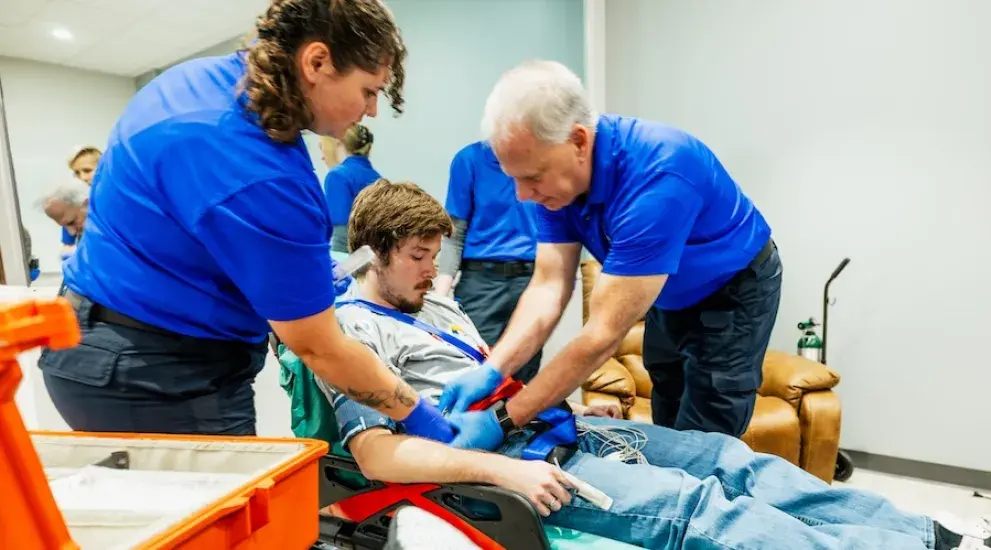
Students participate in clinical immersion and direct patient care by working with local fire departments, ambulance services and clinical units within area hospitals.

Is there an accelerated pathway to a master's degree?

Yes, the accelerated Bachelor’s to Master’s Program allows students to begin earning credits toward the M.S. in Paramedicine degree during their final semester in the B.S. in Paramedicine program—saving a year of time and tuition.

Are there any student organizations or extracurricular activities related to paramedicine?

Creighton University’s Emergency Medical Services Club is designed for students with interests in emergency medical professions who wish to use their knowledge, ethics, resources and leadership skills to give the public, especially our peers, a better understanding of basic lifesaving techniques and procedures.

Image
Paramedics working with man on stretcher.

Accelerated Bachelor’s to Master’s Program

If you’re already thinking about eventually pursuing a Master of Science in Paramedicine, you can get a head start with Creighton’s Accelerated Bachelor’s to Master’s Programs. With this pathway you can save a year of time—and tuition—while positioning yourself for a higher salary. If you haven’t begun your studies at Creighton, talk with an admissions counselor about this pathway. (Current students should speak with their advisors.)

Accreditation

On the recommendation of the Committee on Accreditation of Educational Programs for the Emergency Medical Services Professions (CoAEMSP), our cutting-edge paramedic program is accredited by the Commission on Accreditation of Allied Health Education Programs (CAAHEP).

Image
CAAHEP logo

Licensure

Professional licensure requirements are determined solely by each state and may change without notice to Creighton. While our information is updated annually, Creighton cannot guarantee continuous accuracy.

We recommend that current or prospective students review program-specific documents on our Academic Regulations page, or consult the appropriate licensing agency in the state where they plan to practice to confirm updated requirements.

Note that Creighton cannot guarantee that any student will attain state-established licensure or certification in any field or jurisdiction. 

Image
Two EMTs working with medical equipment
Close SidebarClose Sidebar