Health Sciences Simulation NEW
Interprofessional, Hands-On Learning
Simulation experiences at Creighton offer a unique opportunity for students to build skills and confidence by practicing in highly realistic clinical environments without risk to patients. Through guided repetition, students experience the outcomes of clinical decisions, strengthen judgment and develop competency in situations that mirror real-world care.
Each simulation concludes with a structured debrief designed to connect concepts to practice, examine decision-making and integrate feedback. Grounded in Creighton’s Jesuit, Catholic tradition and guided by cura personalis—care for the whole person—these innovative, evidence-based experiences prepare learners to excel in collaborative, interprofessional healthcare.
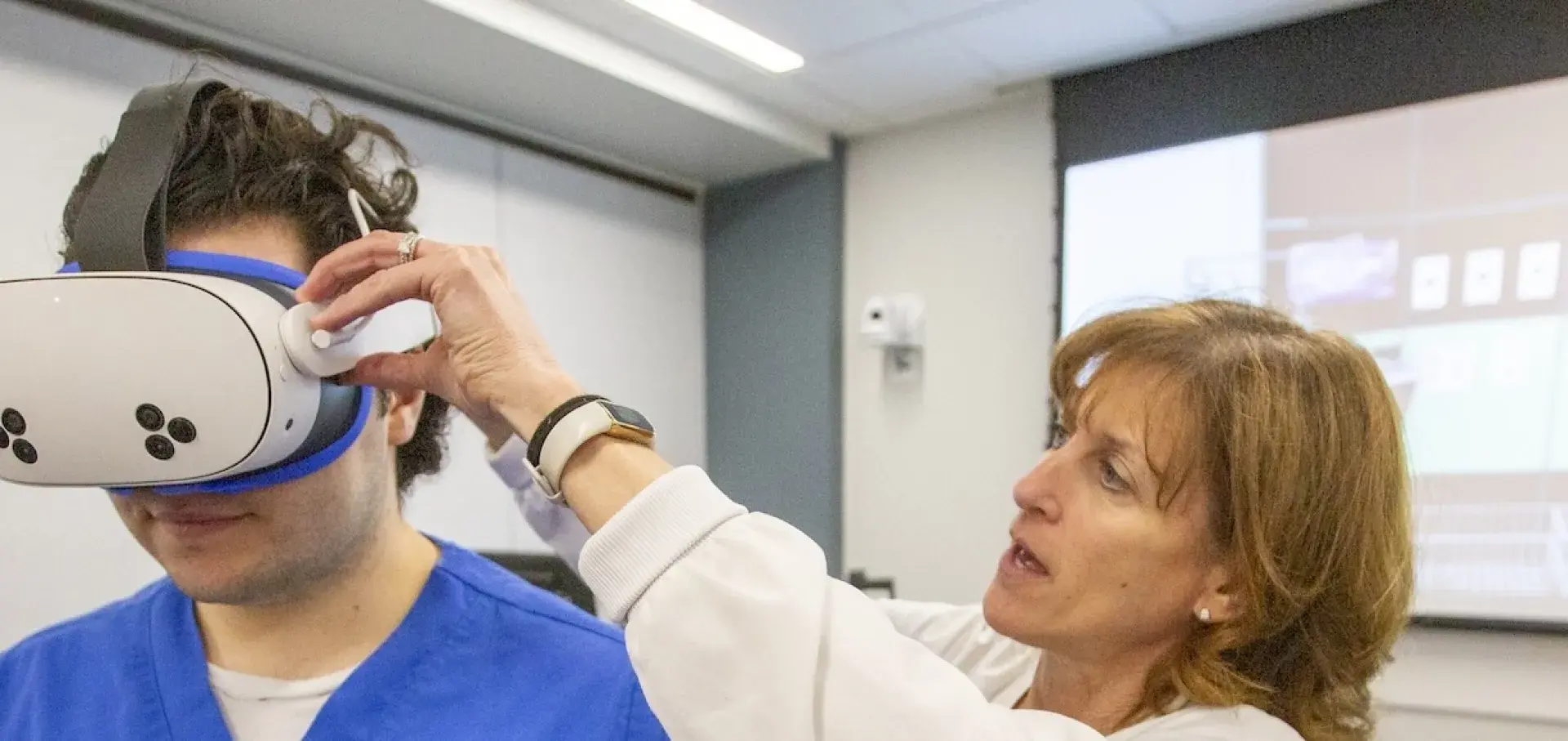

Simulated scenarios in Omaha
High-fidelity Simulated Patients in Omaha
Simulated Scenarios in Phoenix
High-fidelity Simulated Patients in Phoenix
Omaha Facilities
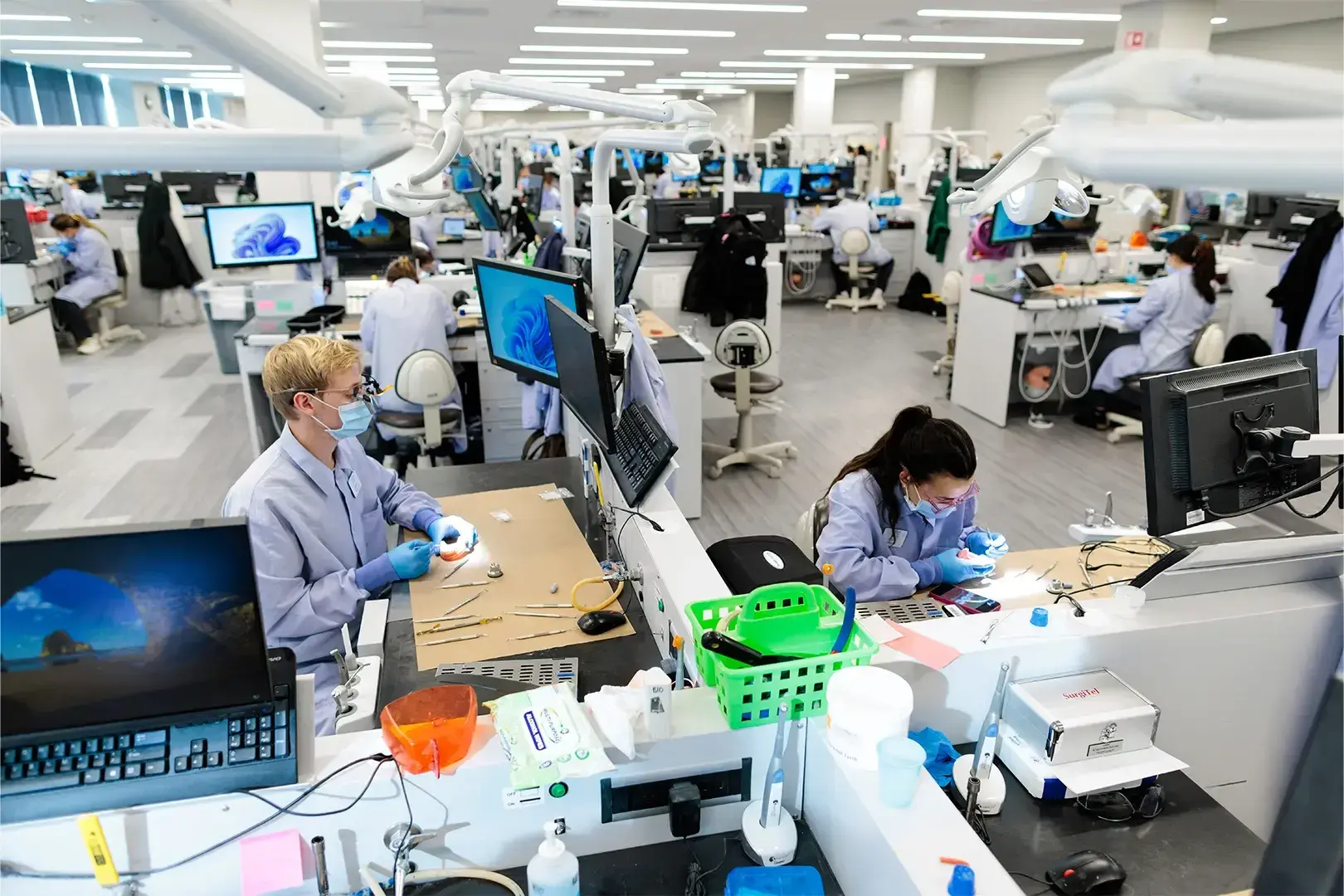
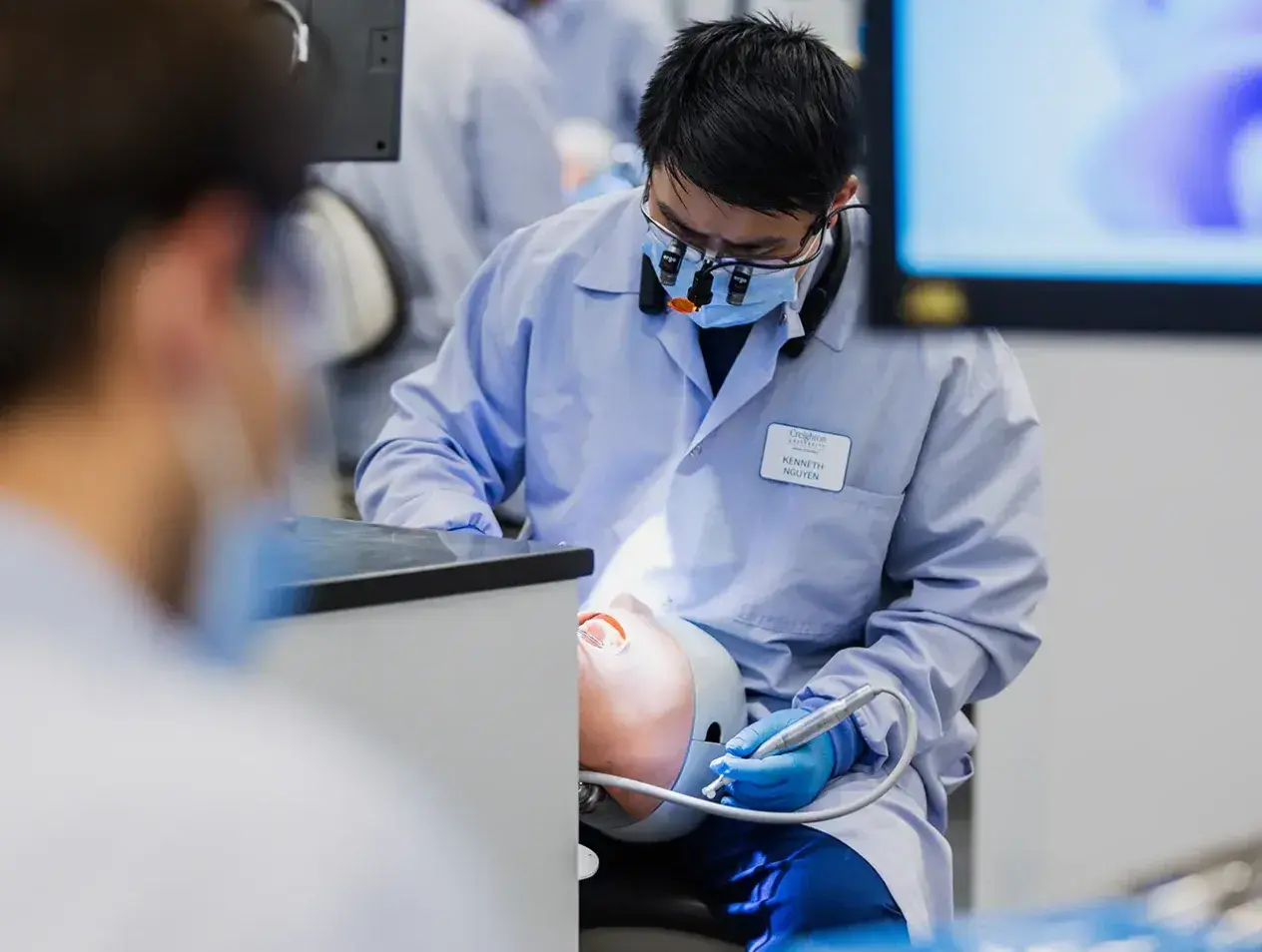
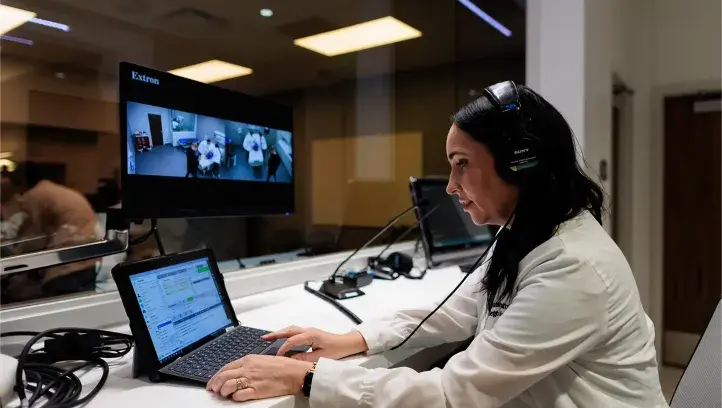
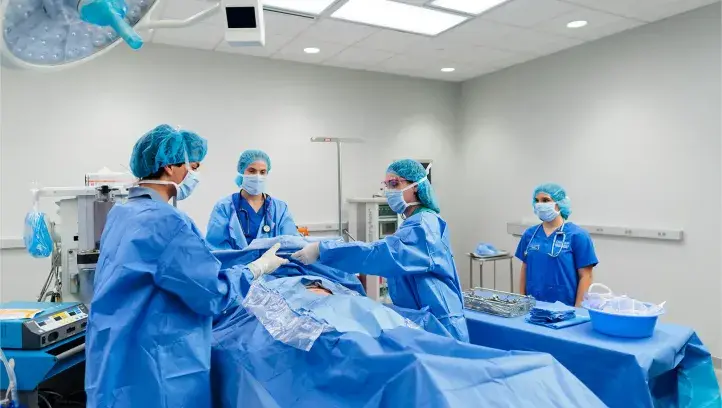
More than 145,000 square feet of dedicated interprofessional simulation space is located across five floors of the CL and Rachel Werner Health Sciences Center on our Omaha campus. Elsewhere, the School of Dentistry offers 2,900 square feet of simulation space with multiple simulation stations. Each is equipped with model patients and multiple scenarios to facilitate simulated care.
The Werner Center simulation facilities include:
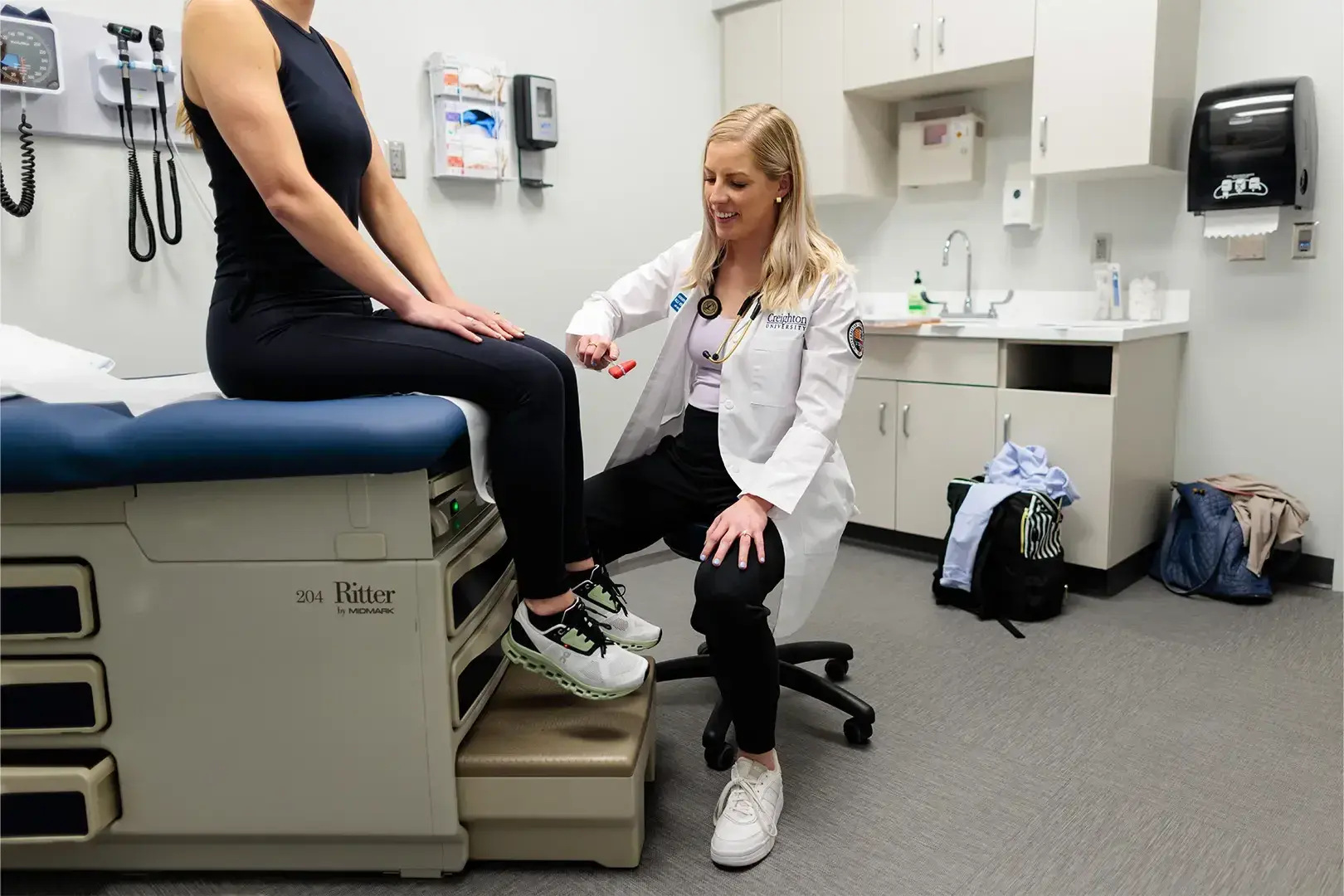
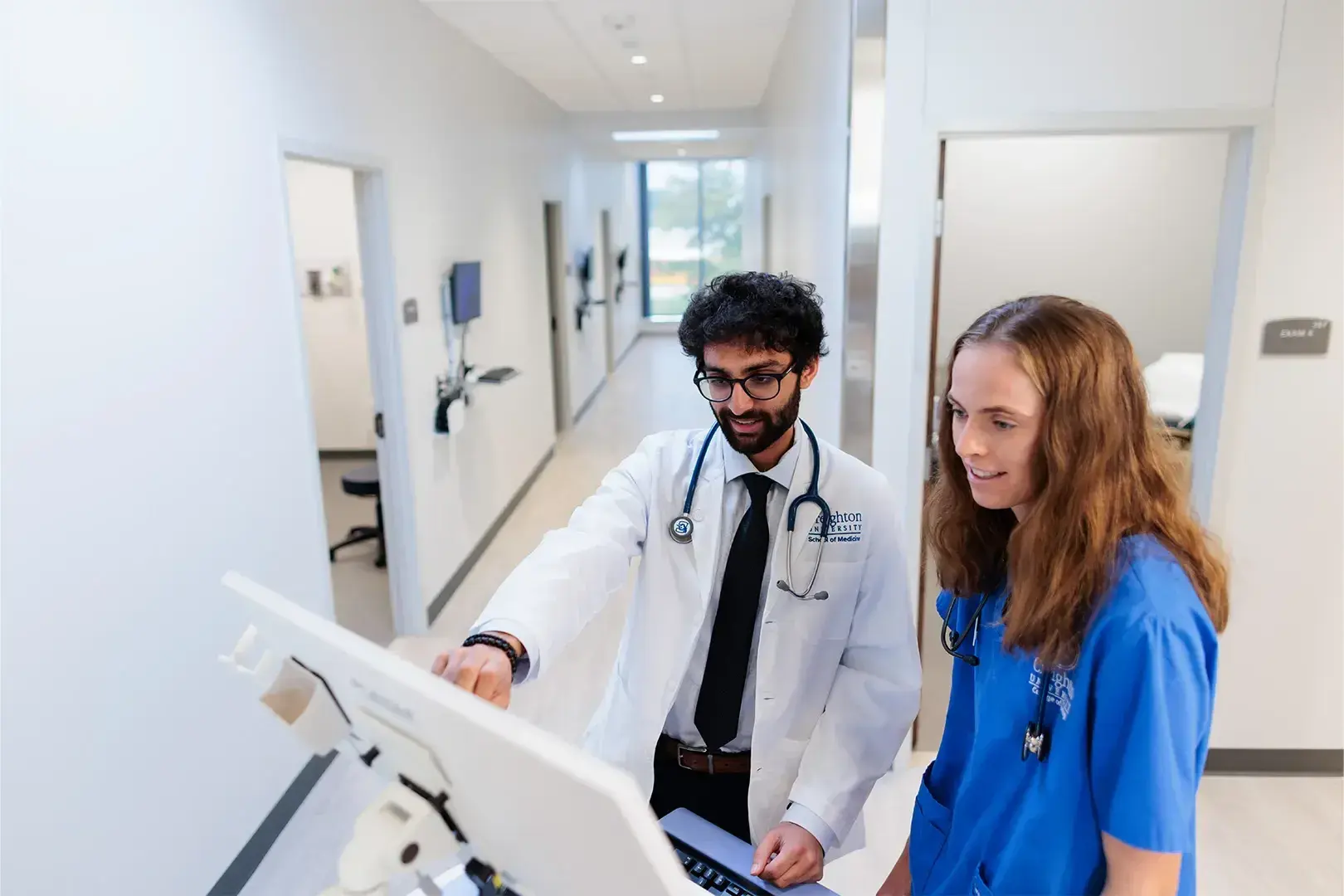
- 15 clinical exam rooms
- 10 single-patient hospital rooms
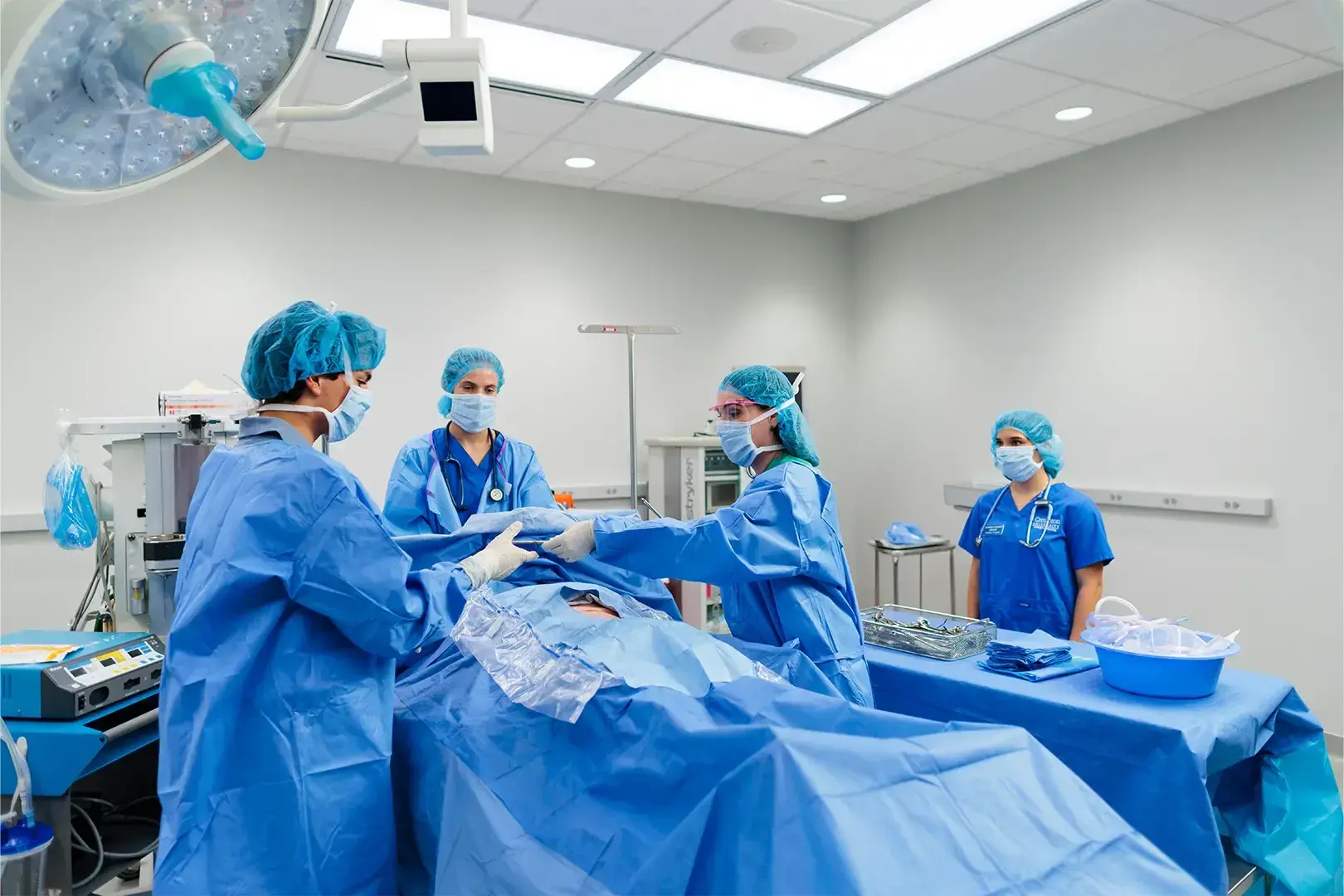
- An operating room
- A multipurpose task training lab
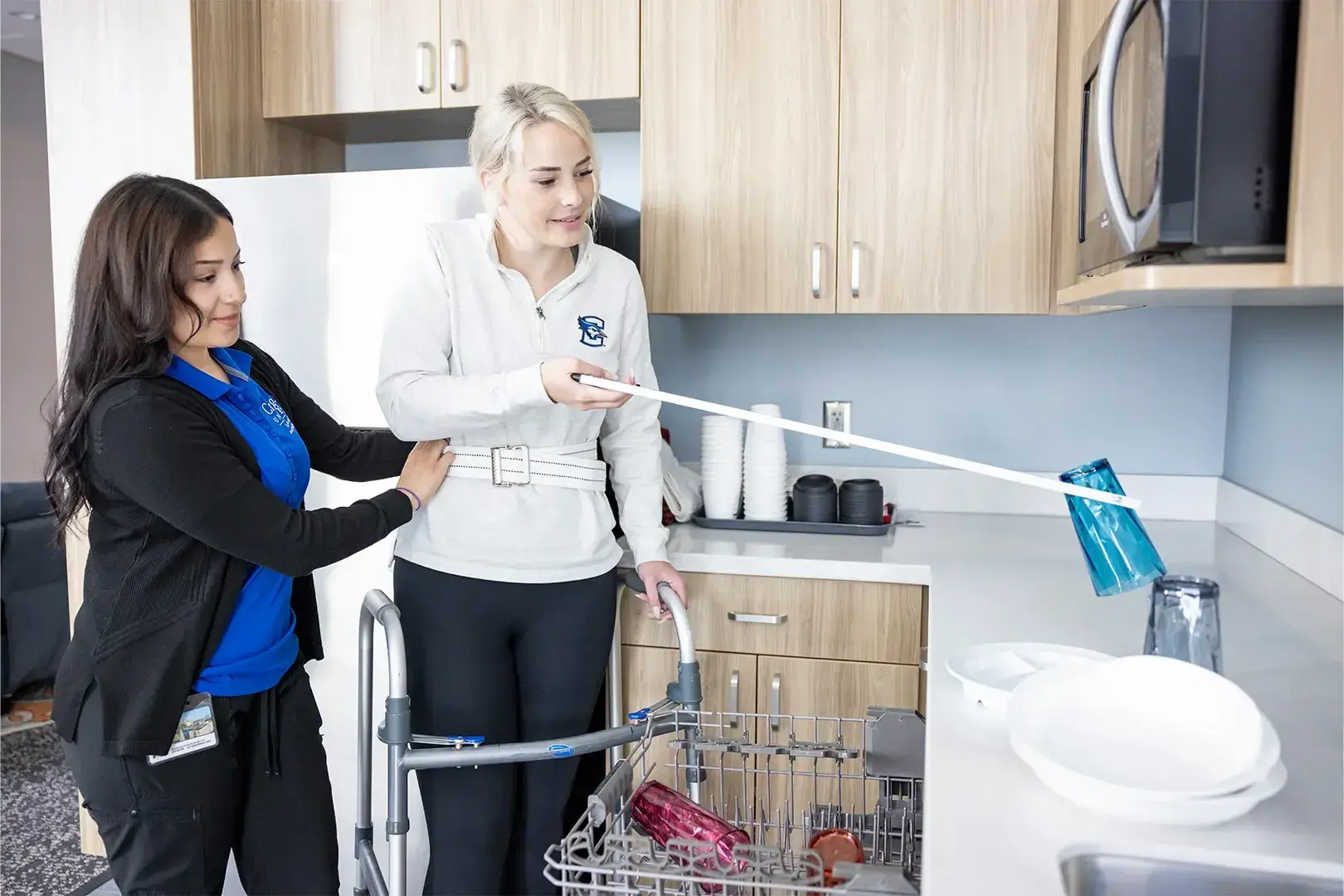
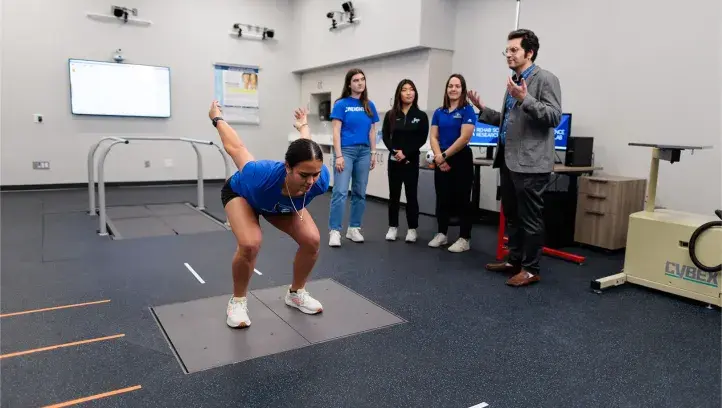
- A simulated apartment for home healthcare
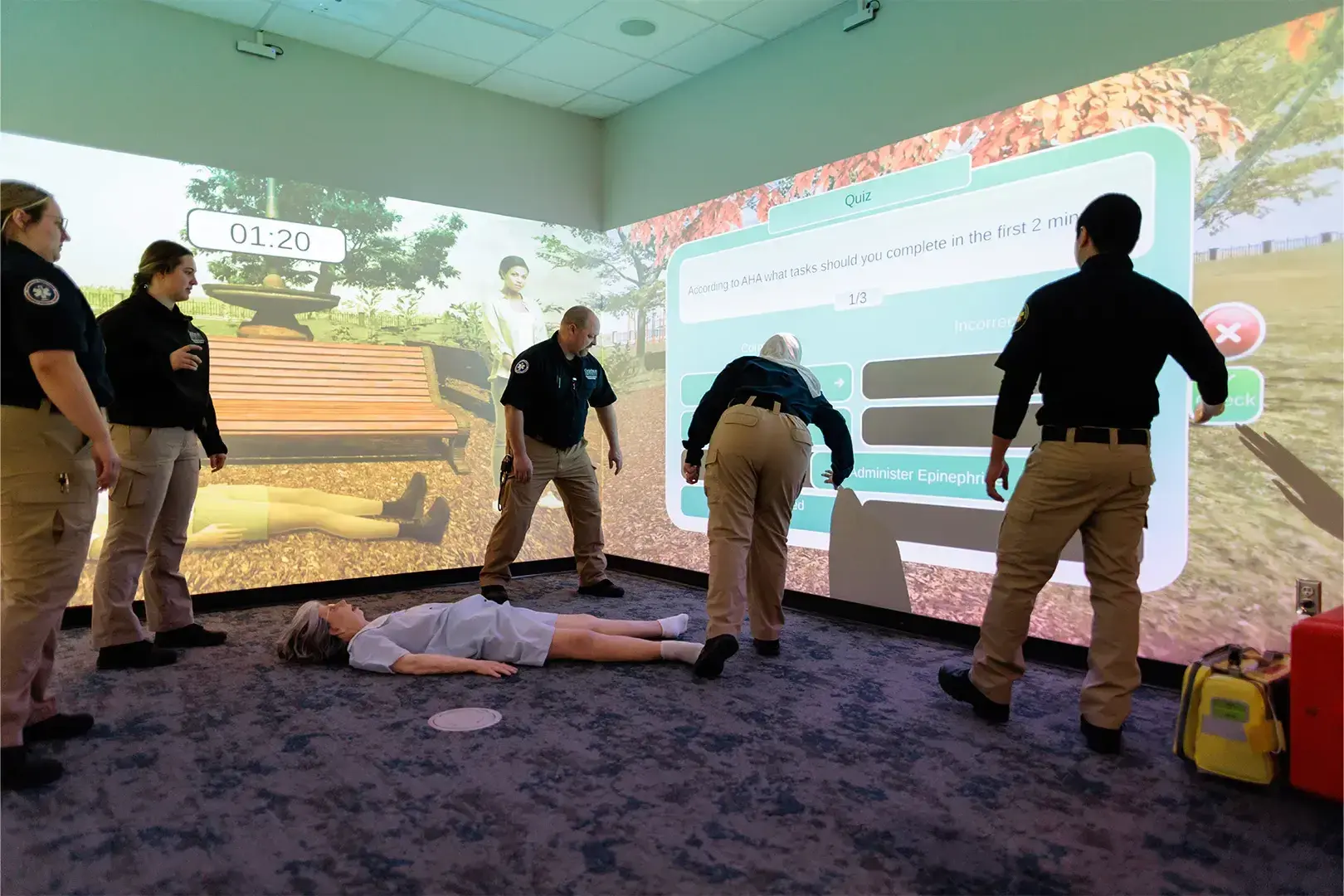
- An interactive virtual reality space
- An acute care lab with nine hospital beds
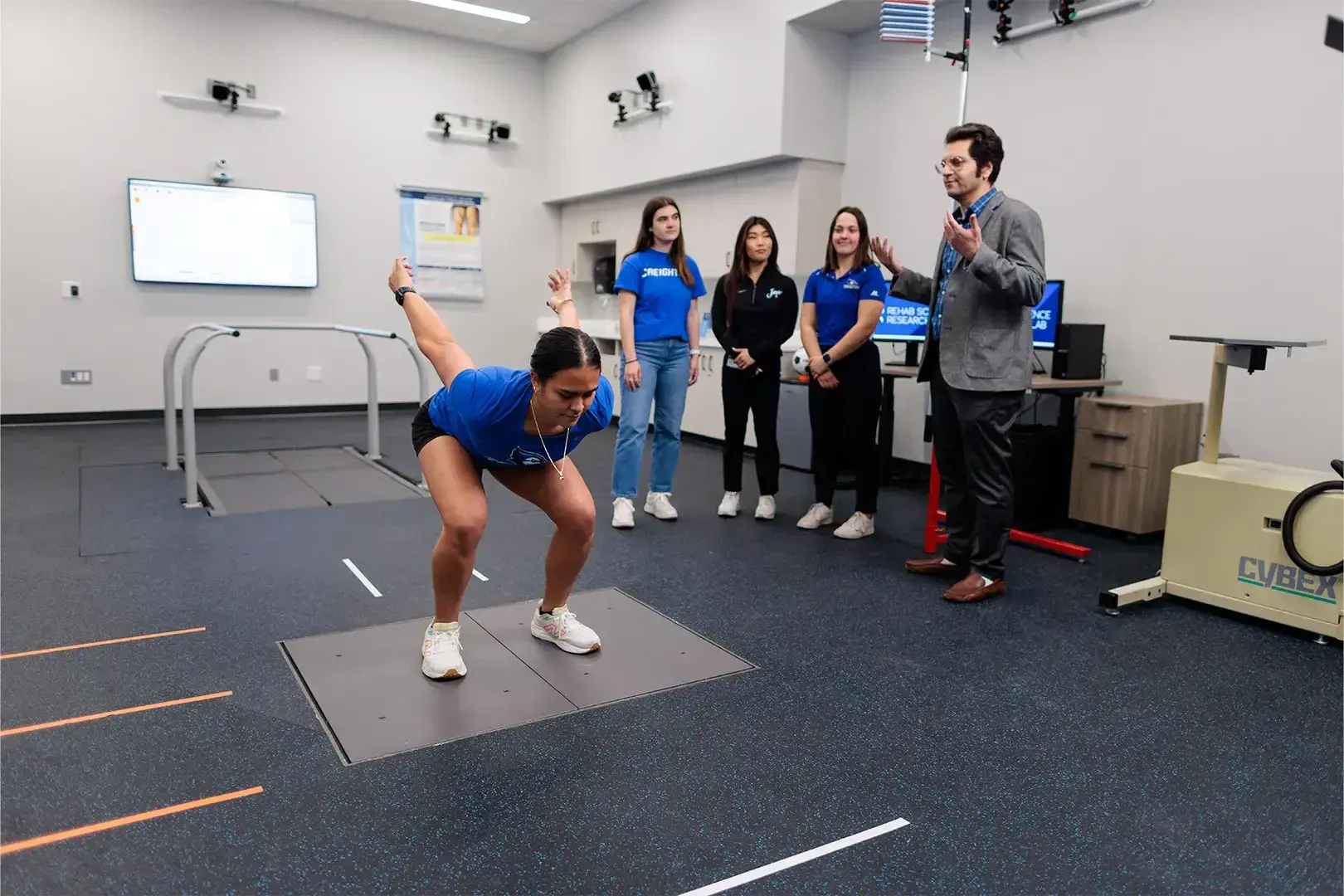
- Two rehabilitation labs
Phoenix Facility
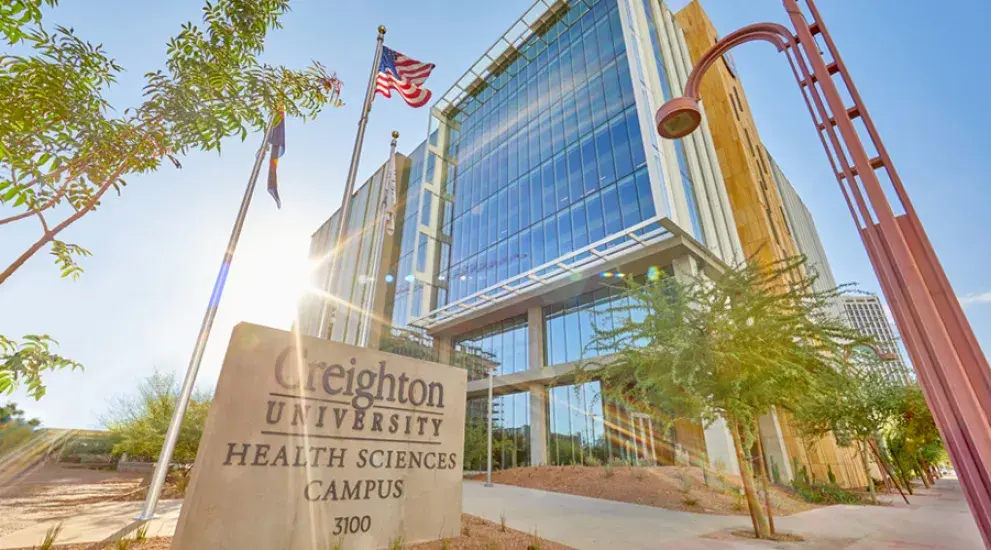
The Virginia G. Piper Charitable Trust building on Creighton University’s Phoenix Health Sciences Campus includes more than 35,000 square feet of dedicated interprofessional simulation space across three floors. These spaces are purpose-built for hands-on learning and support realistic, evidence-based simulation experiences.
The Phoenix simulation facilities include:
- 16 clinical exam rooms
- Nine single-patient hospital rooms
- An operating room/trauma bay
- A mock pharmacy with compounding space
- A multipurpose wet lab
- A simulated apartment for home healthcare
- An ambulatory care lab
- A clinical exam lab
- A rehabilitation lab
Take a 3D tour of our Phoenix facilities
State-of-the-Art Equipment
- Placeholder Item
- Placeholder Item
- Placeholder Item
- Placeholder Item
Standardized Patient Program
If you enjoy interacting with people, supporting student learning and offering constructive feedback, we invite you to consider becoming a standardized patient. No prior healthcare experience is required, and we hire individuals from a wide range of backgrounds. If you are hired, you’ll receive training to accurately represent a patient’s history, body language, personality and emotional state. After each encounter, standardized patients provide meaningful feedback from the patient’s point of view, helping students identify strengths and areas for improvement. You can apply to be a standardized patient at either our main campus in Omaha campus or at our Phoenix Health Sciences campus.